
Old Town & Culture
Sights in Teulada & Moraira
Teulada Moraira combines the charm of a traditional Spanish village with the relaxed lifestyle of the Costa Blanca. Historic lanes, picturesque beaches and impressive views make the region a special place for visitors and residents alike.
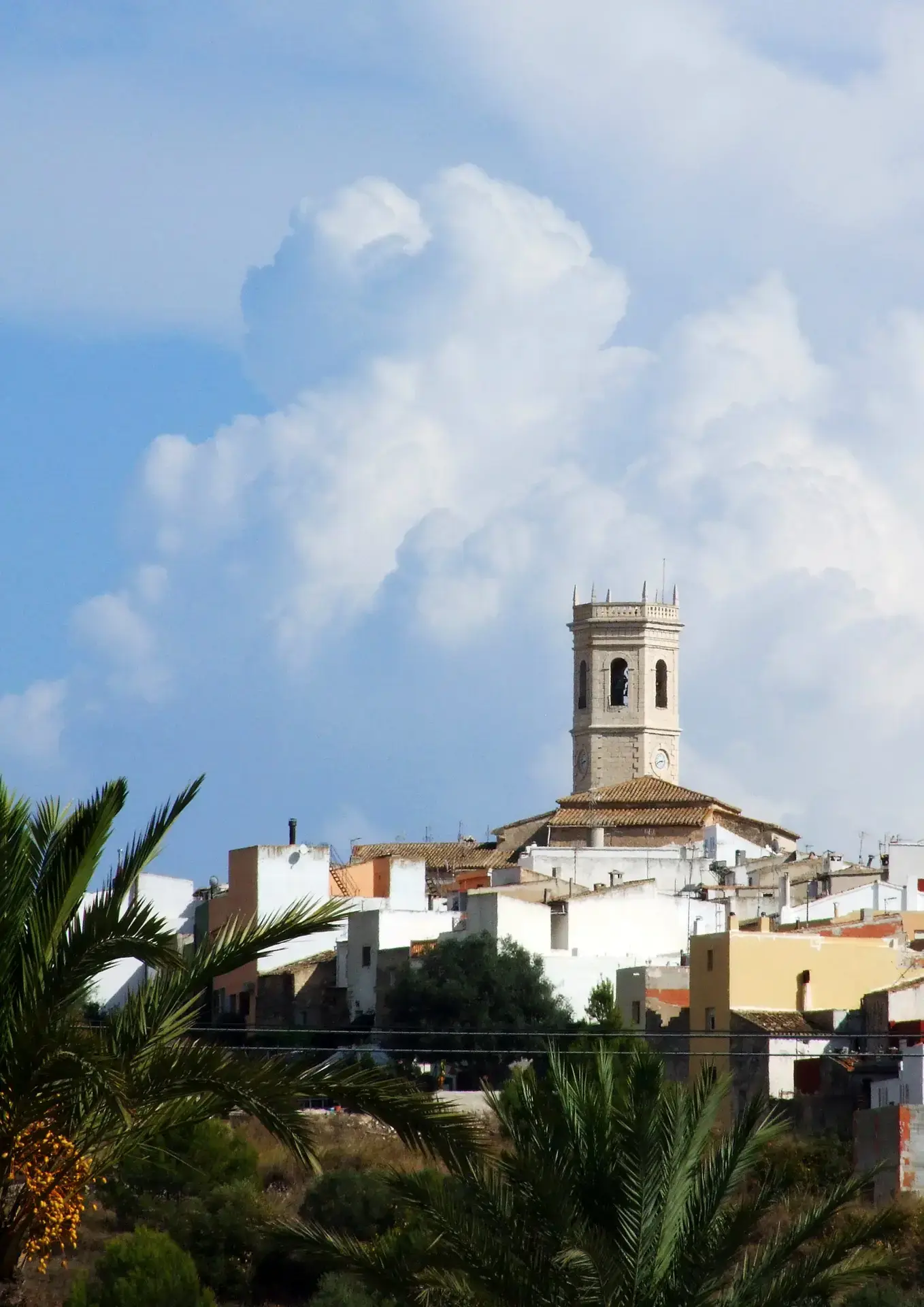
Teulada’s old town delights visitors with Mediterranean charm, historic lanes, traditional natural-stone houses and an authentic glimpse into the original way of life on the Costa Blanca.
Moraira’s old town combines Mediterranean flair with a maritime atmosphere, charming lanes, small boutiques, restaurants, and proximity to the harbour and the historic castle complex.
TEULADA Sights
A visit to the historic old town of inland Teulada is particularly worthwhile for anyone interested in culture and history. The townscape is characterised by traditional architecture and significant buildings from several centuries.
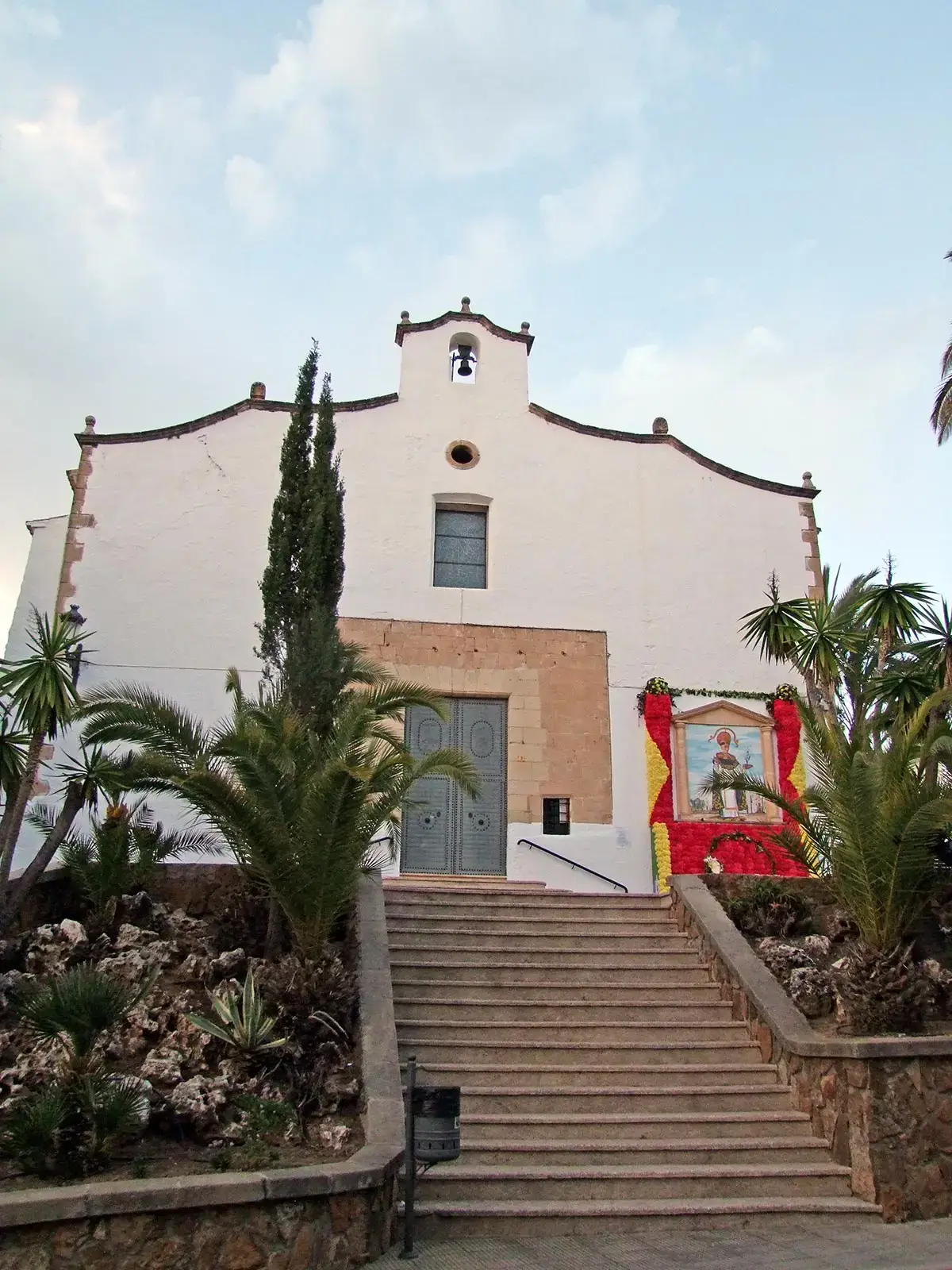
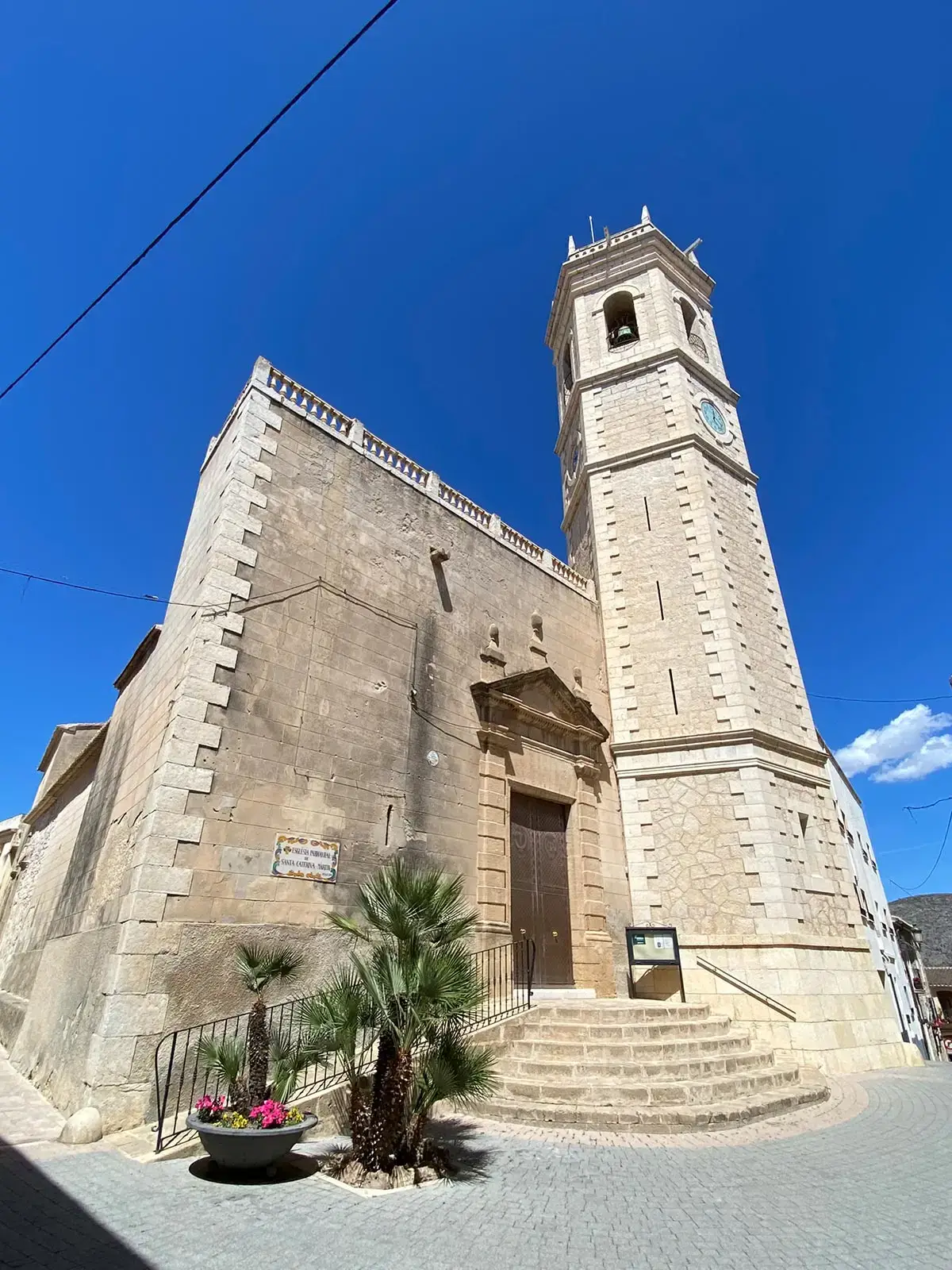
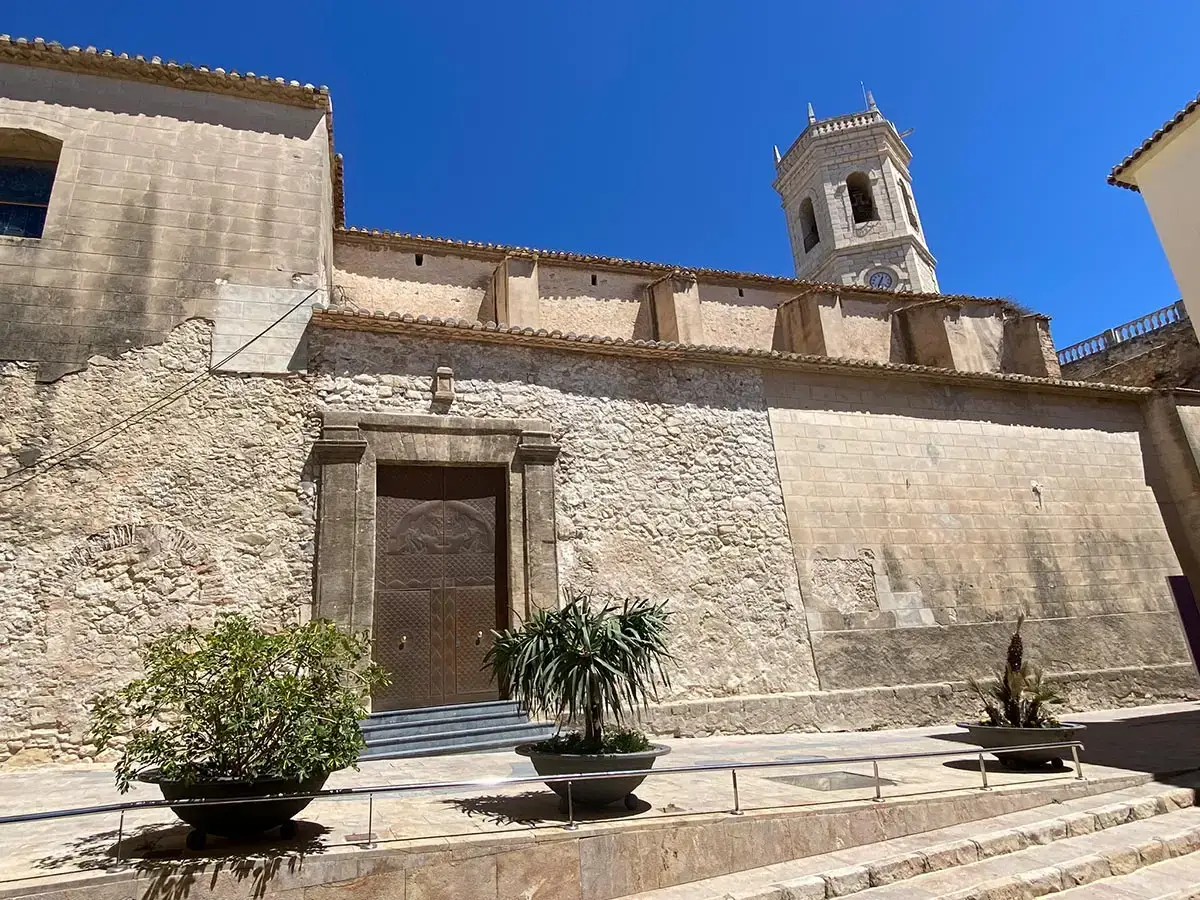
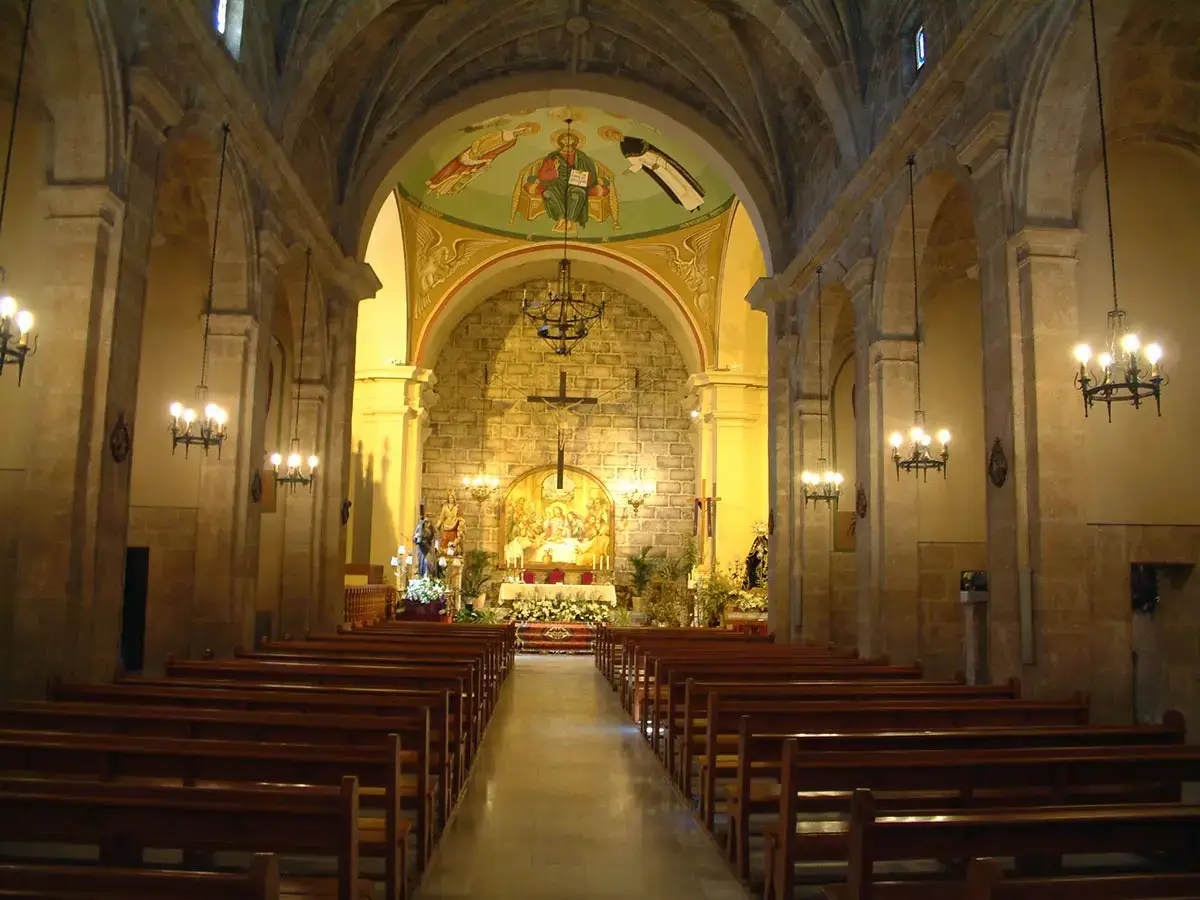
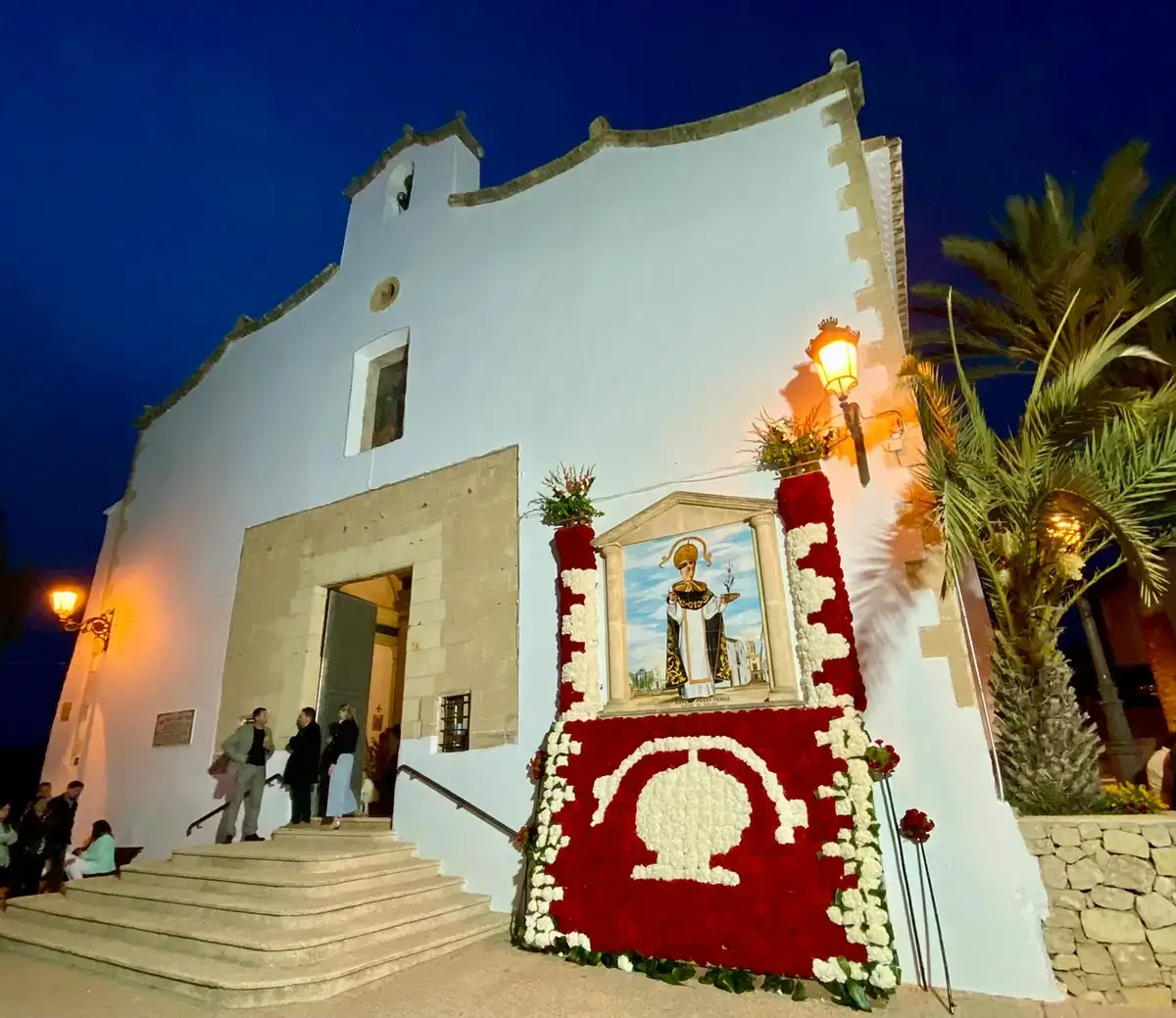
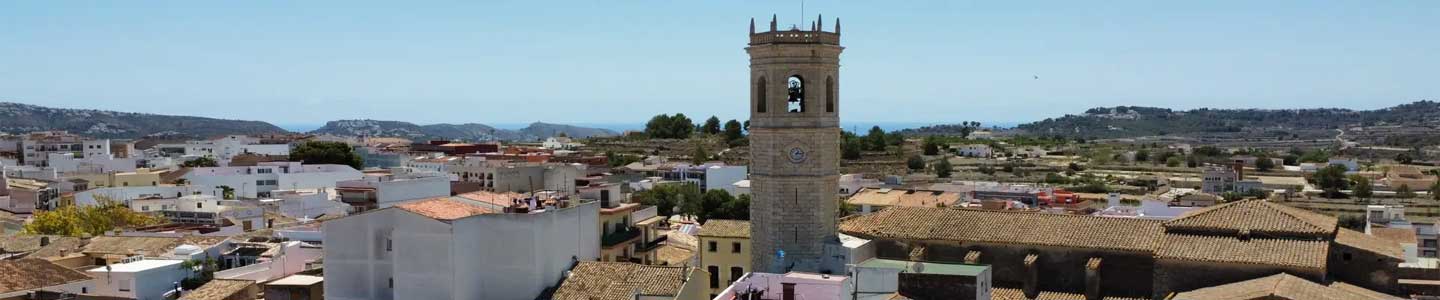
At its centre is the impressive fortified church of Santa Caterina, which once served both religious and defensive purposes and houses one of the oldest organs in the province. In the immediate vicinity is the pilgrimage chapel of Divina Pastora, whose origins cannot be precisely dated. Also of great importance is the Ermita Sant Vicent Ferrer, built in the 18th century and closely linked to local tradition.
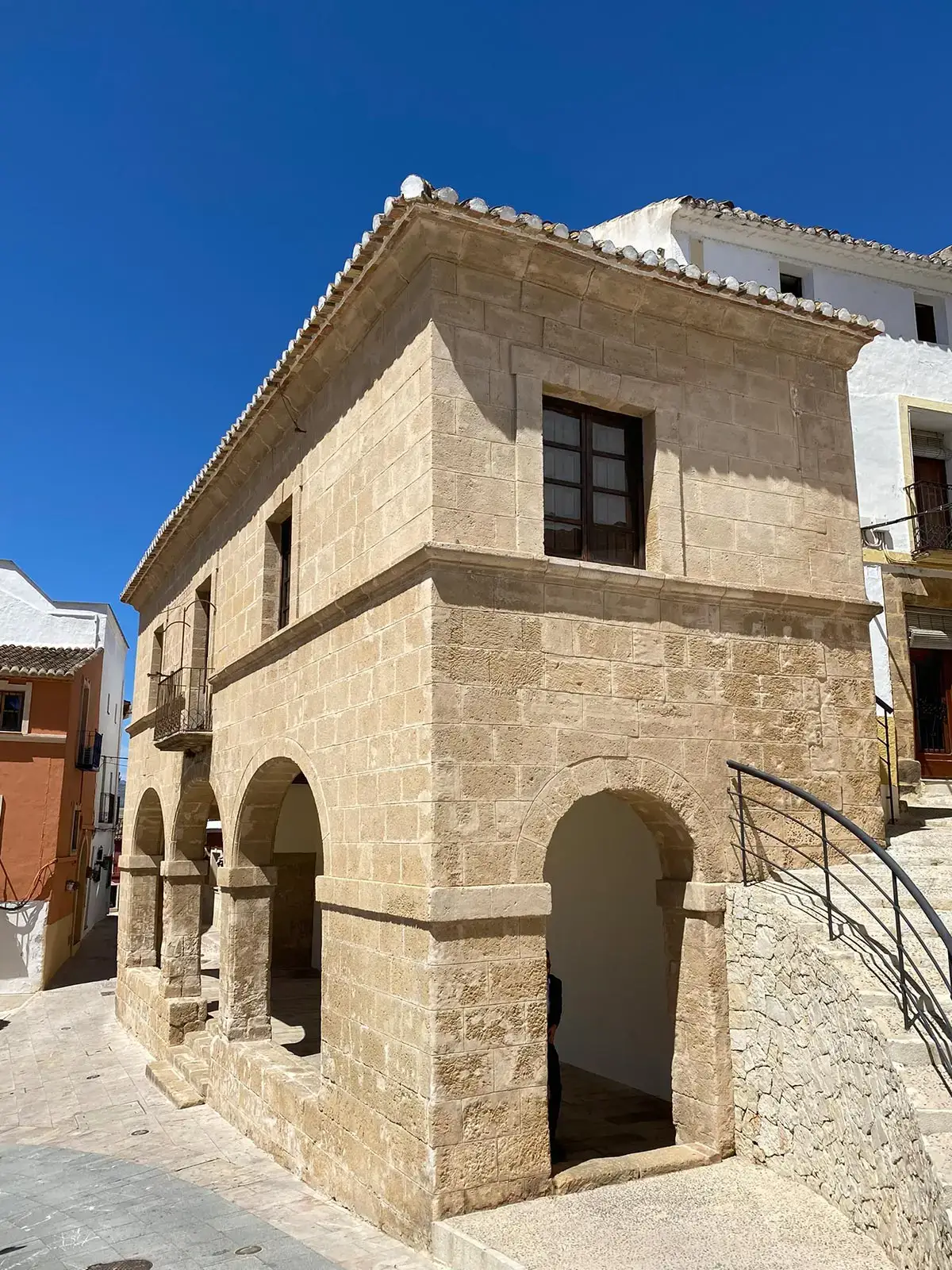
Another historic building is the Sala de Jurats i Justícies from the 17th century, an example of the civic architecture of that period. Outside the town centre, on the road towards Moraira, lies the pilgrimage chapel of Font Santa. It is dedicated to Saint Vincent Ferrer and is considered the site of a traditional miracle.
MORAIRA Sights
Nestled between the Sierra de Bérnia, vineyards and pine forests and located directly on the Mediterranean, Moraira combines natural beauty with a diverse cultural offering. From a former fishing village, it has developed into a well-kept coastal town with an upmarket character.
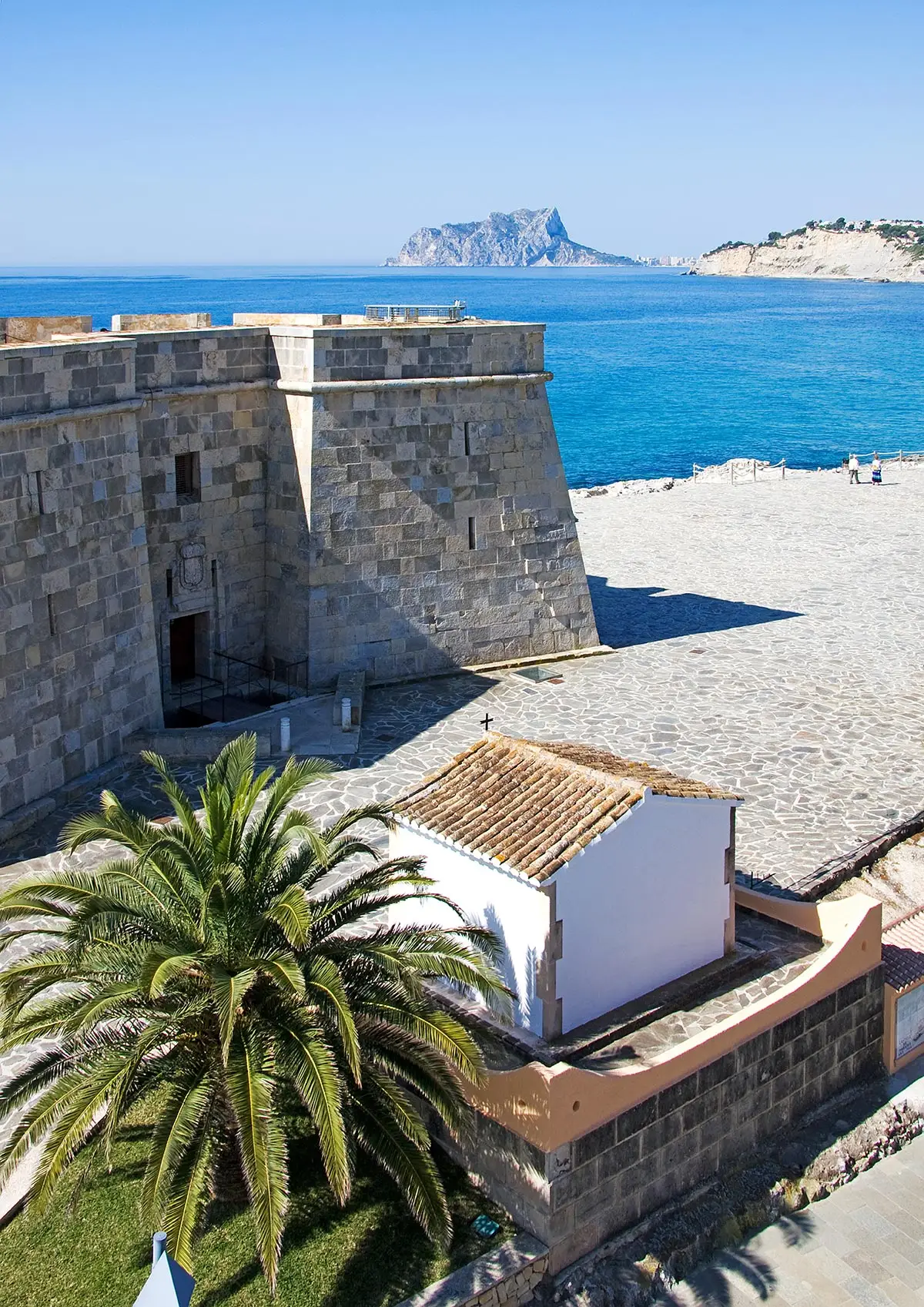
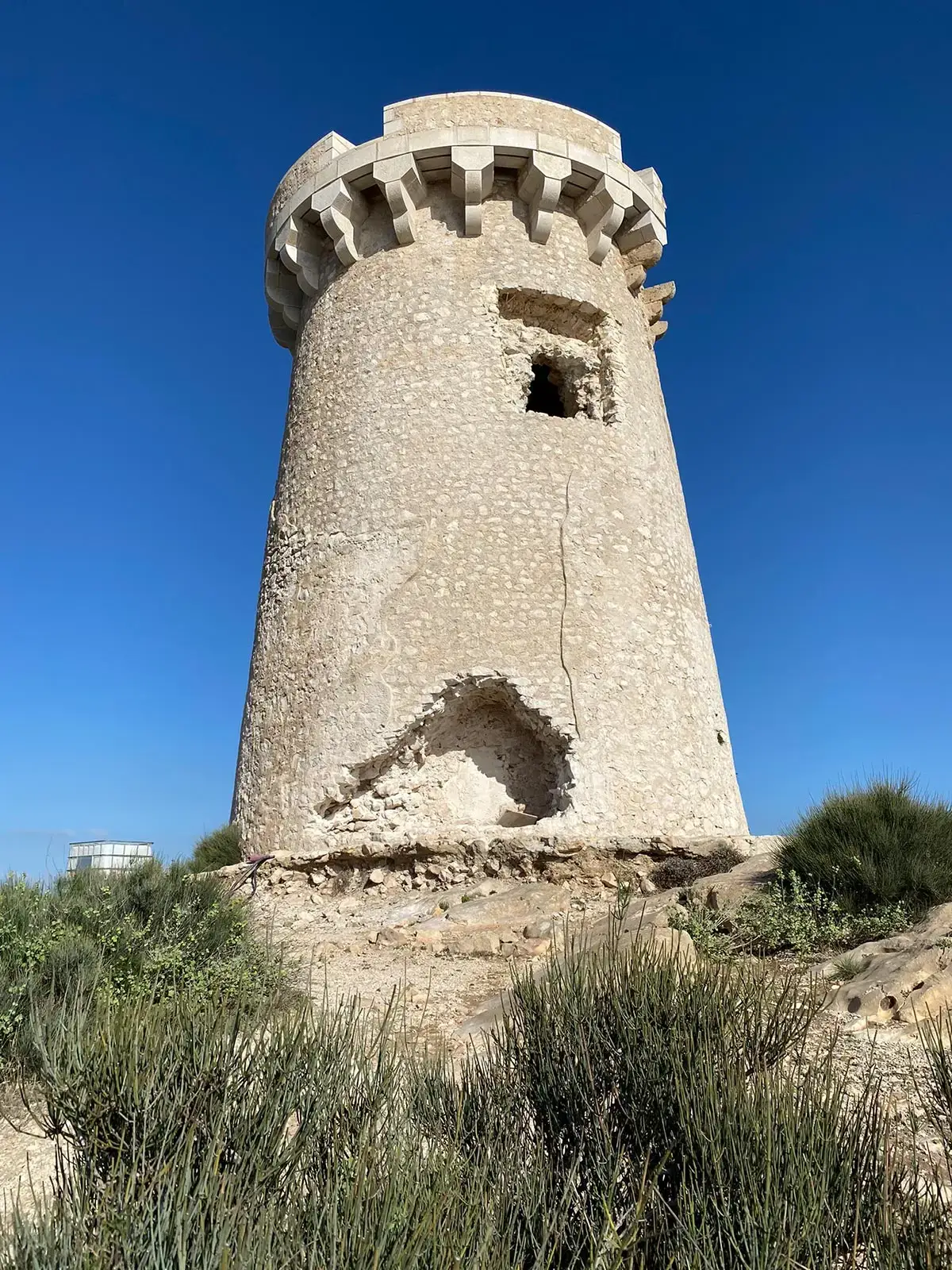
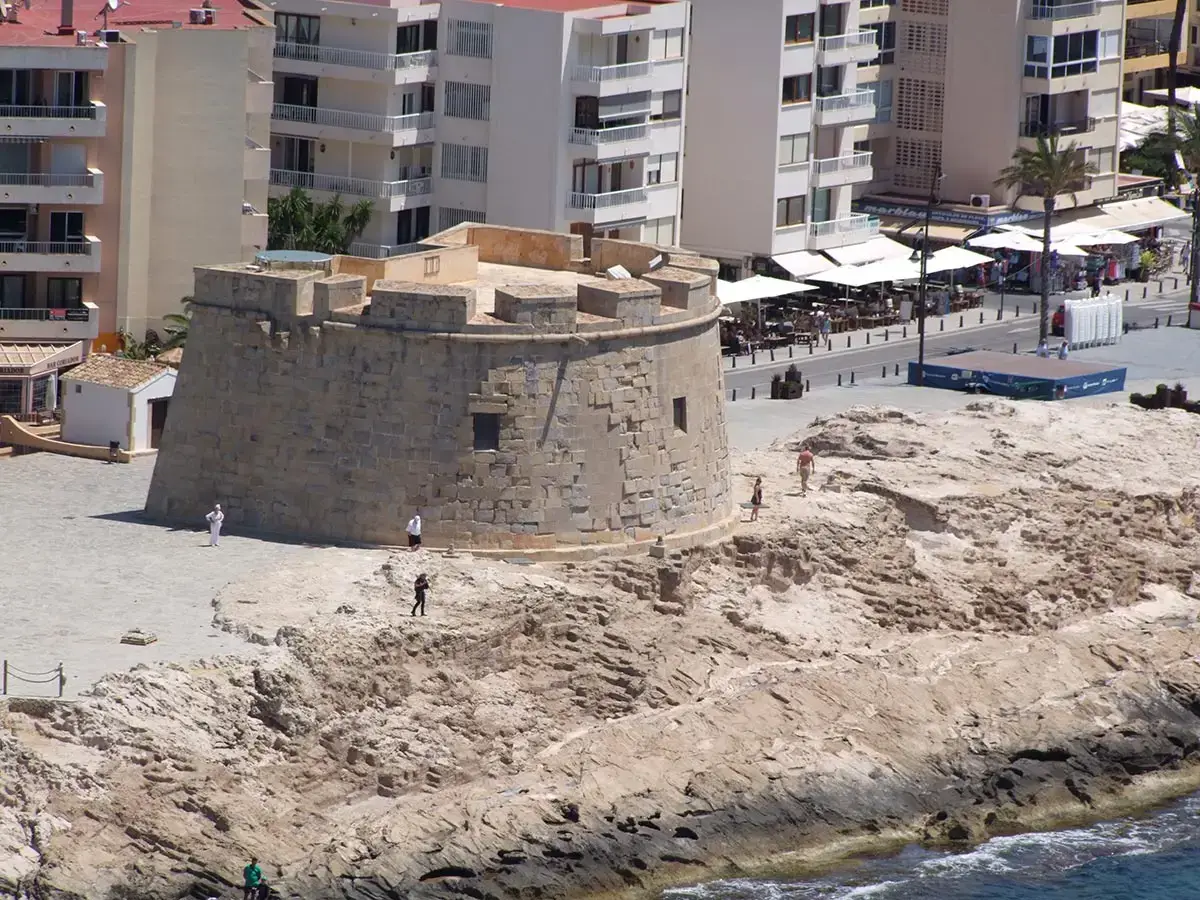
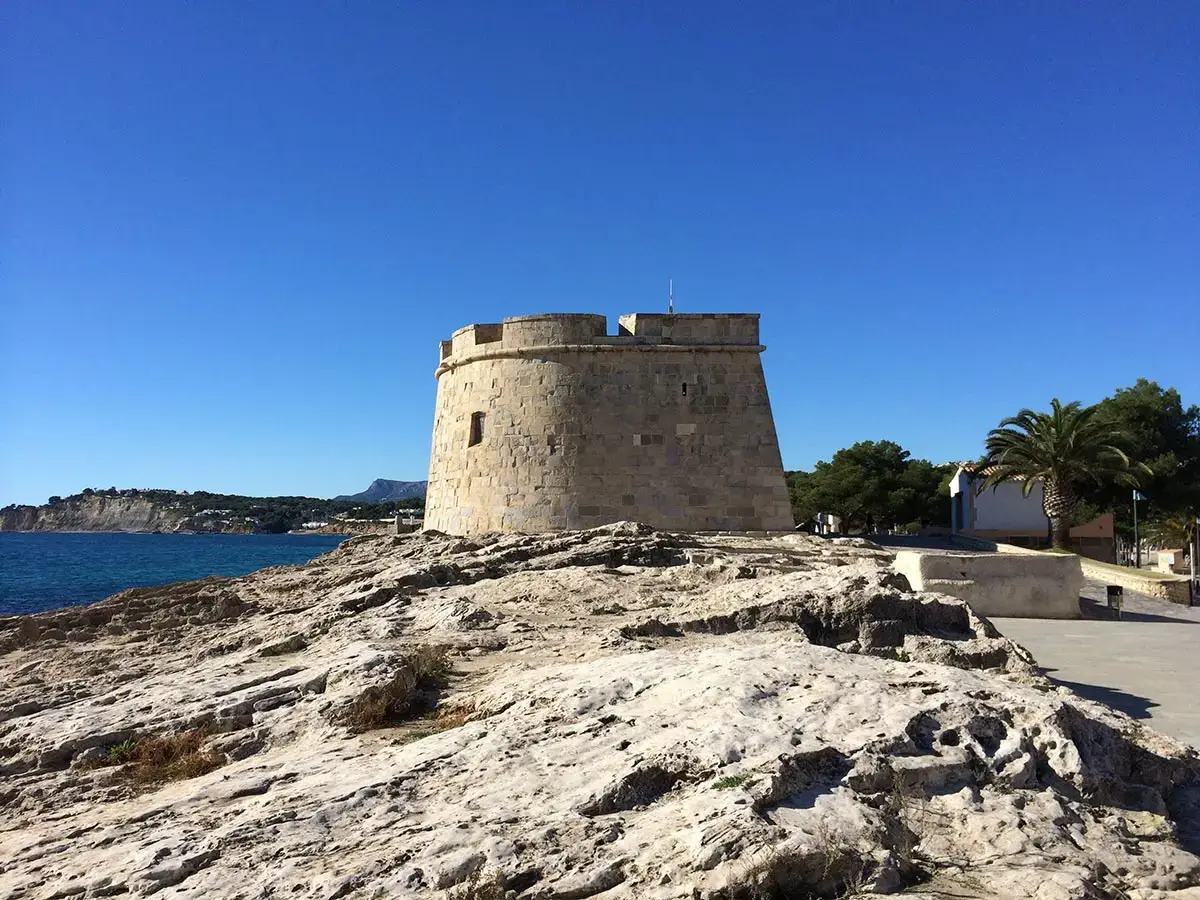
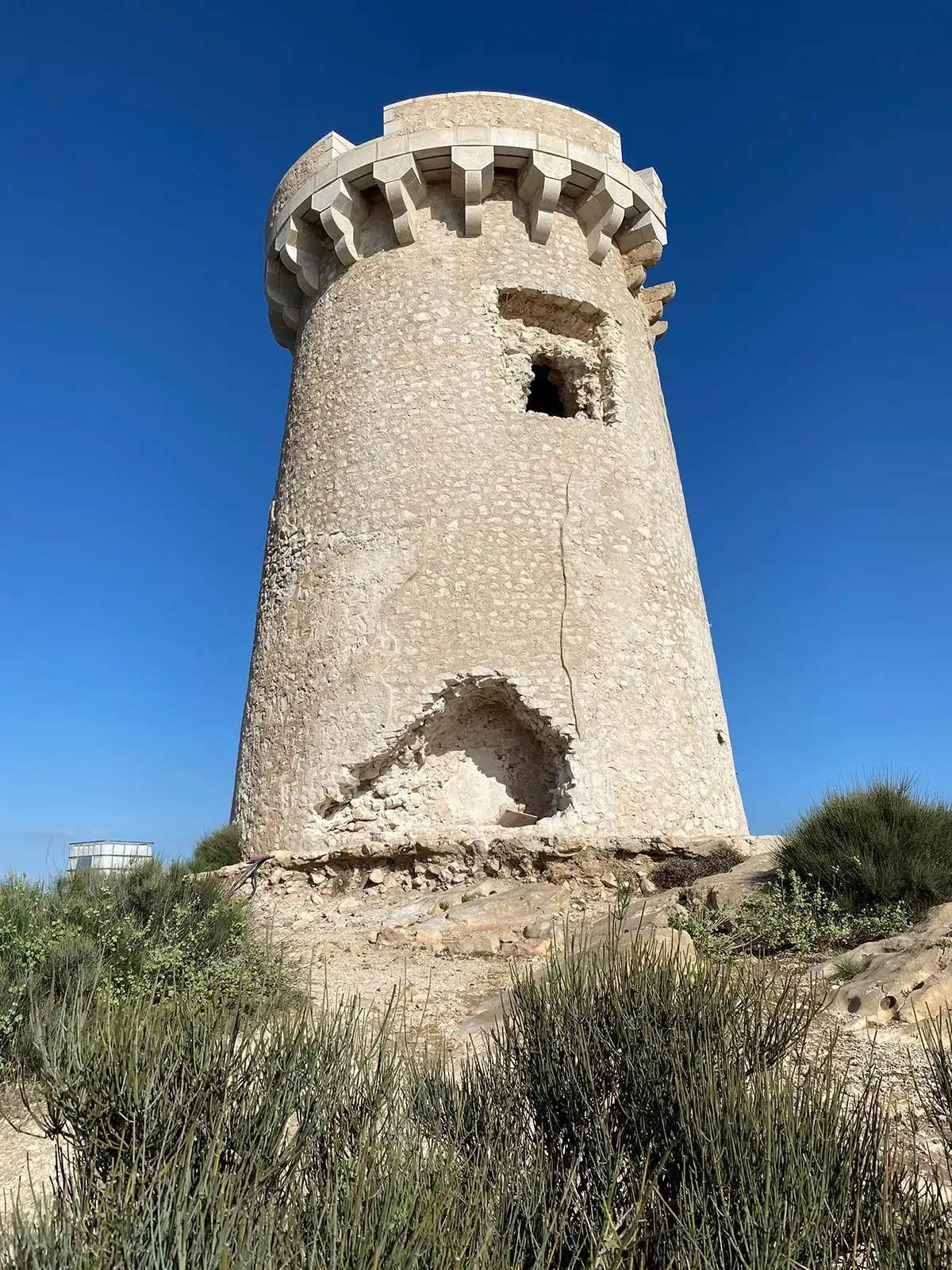
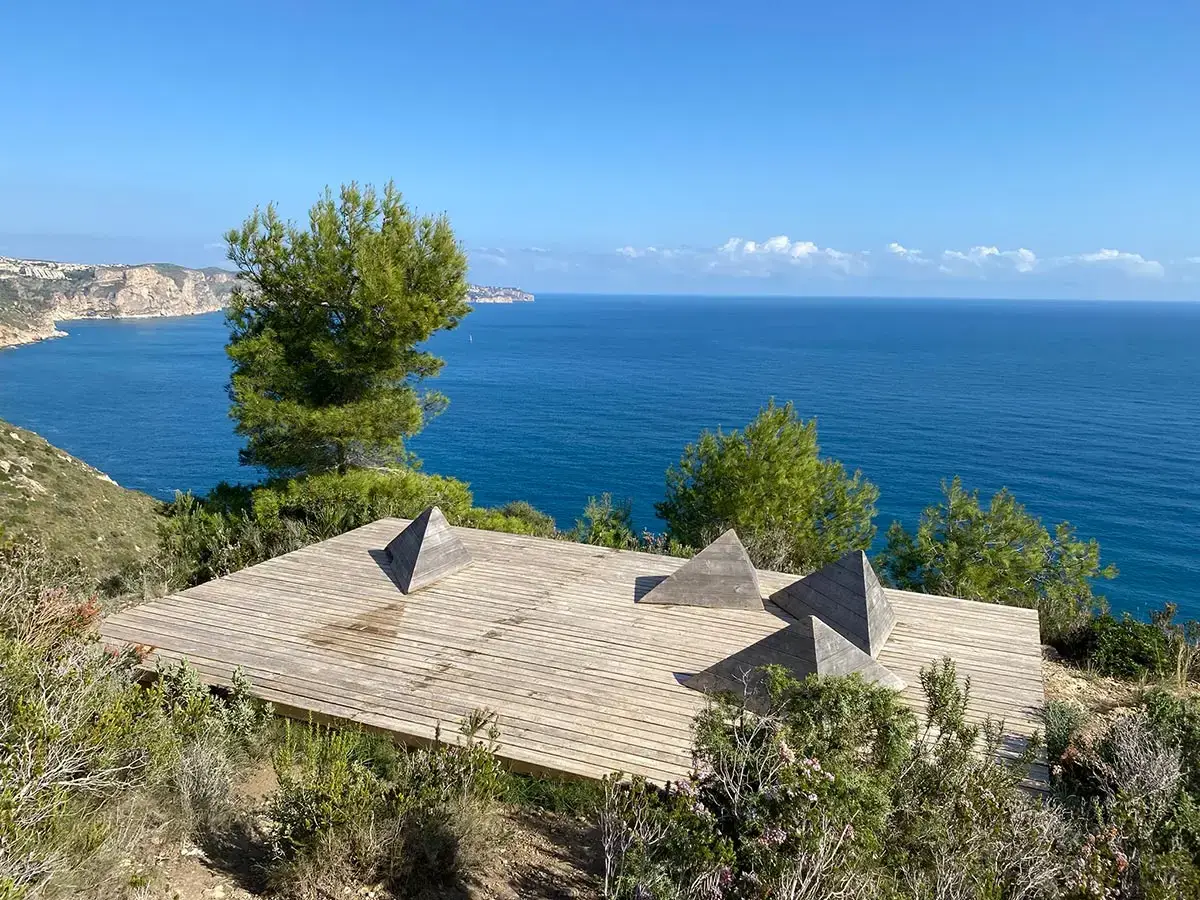
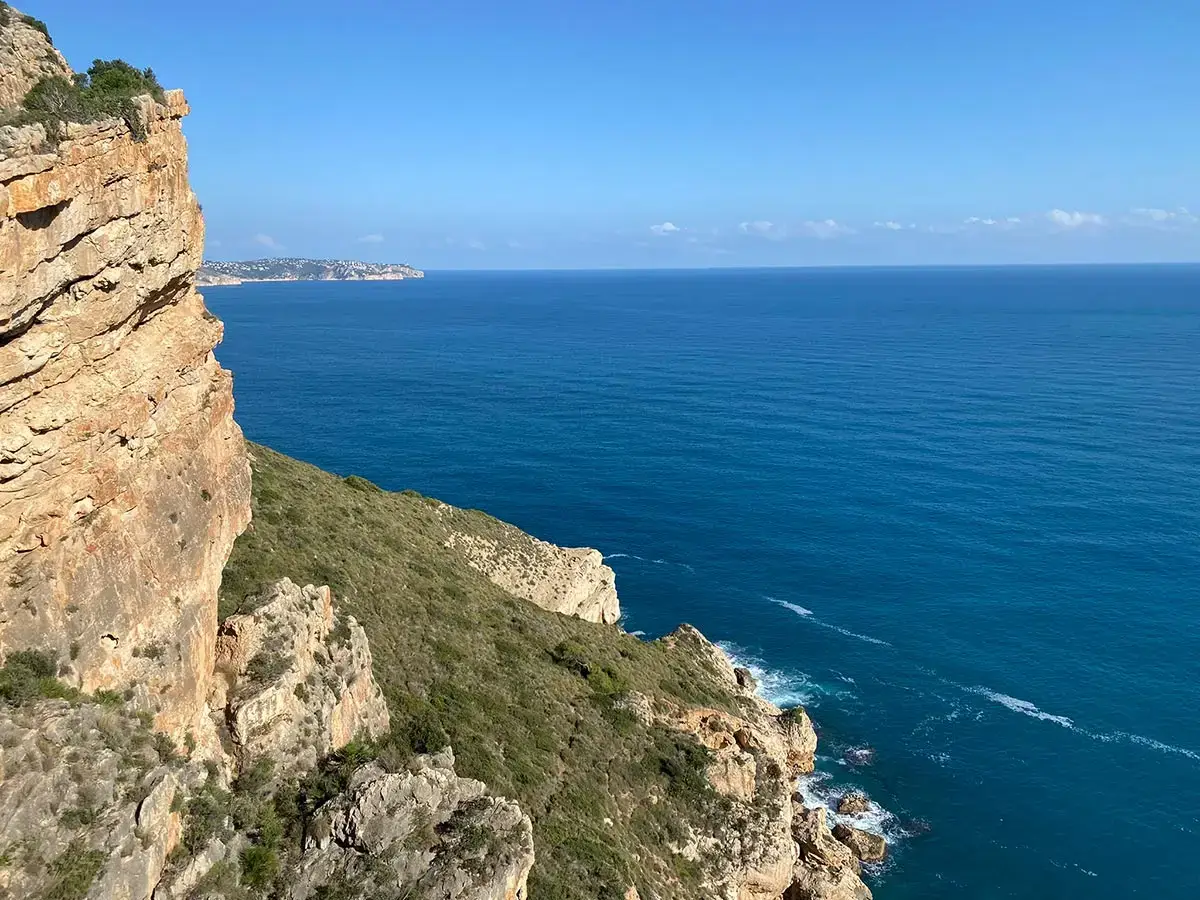
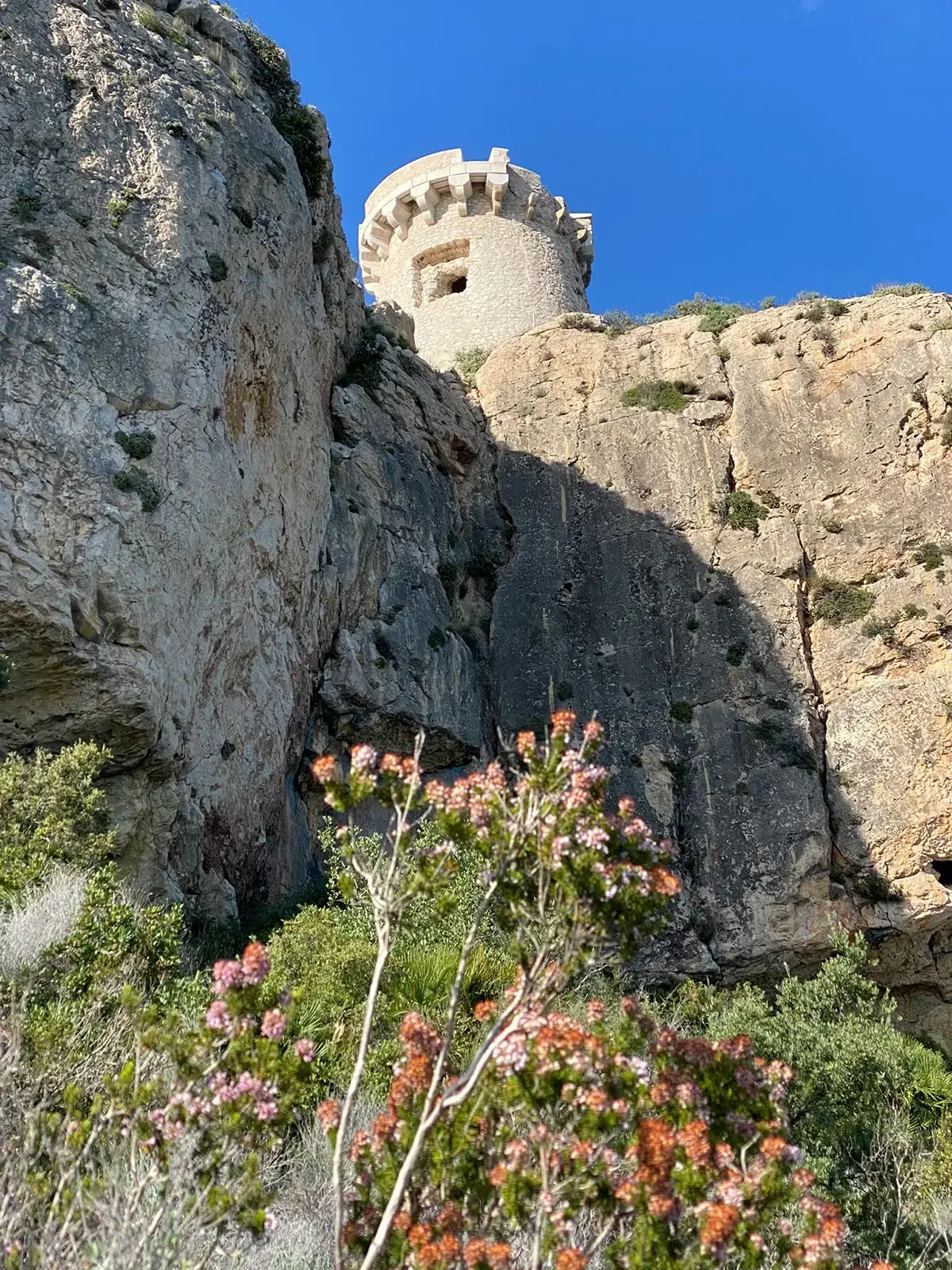
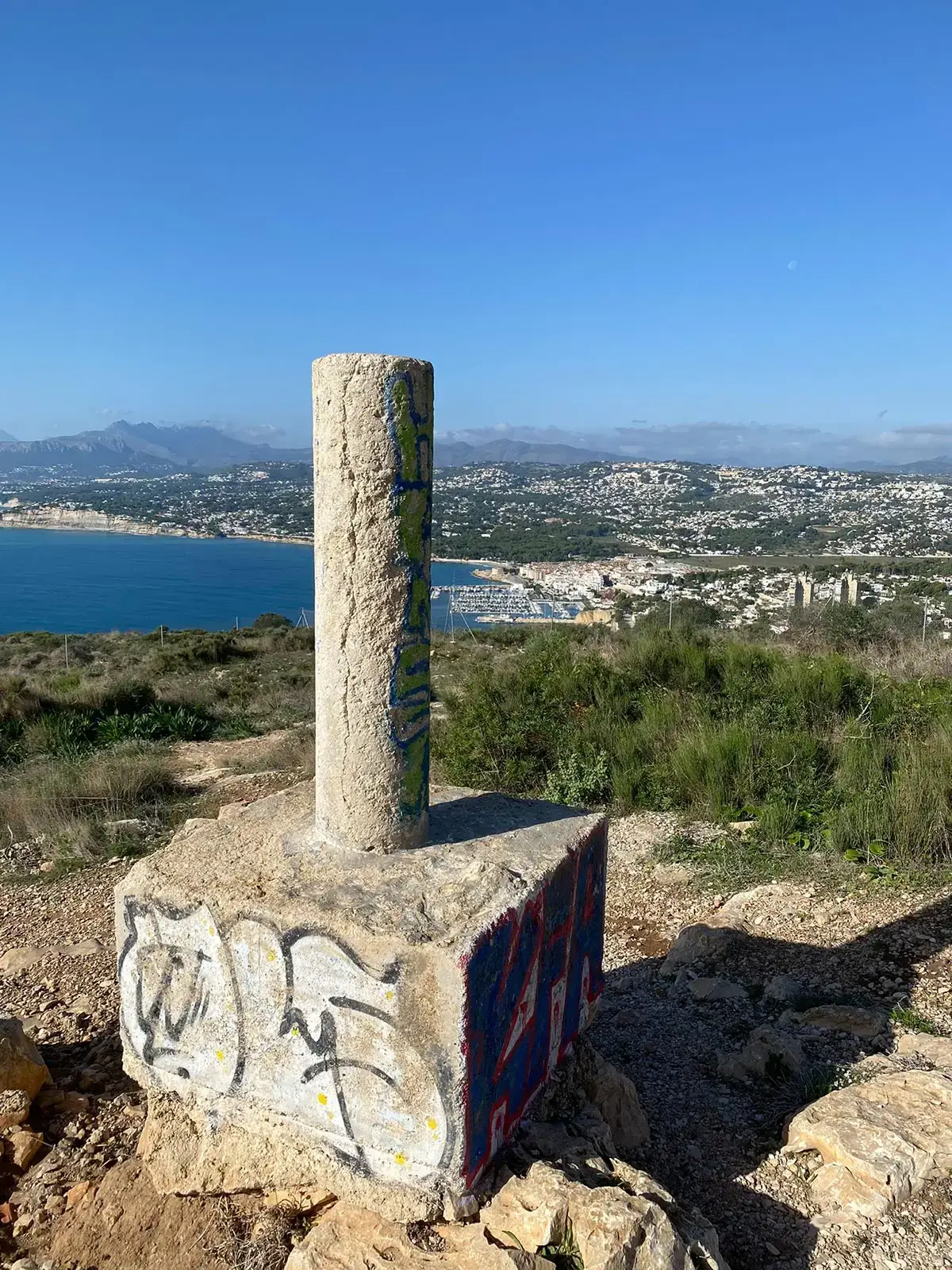
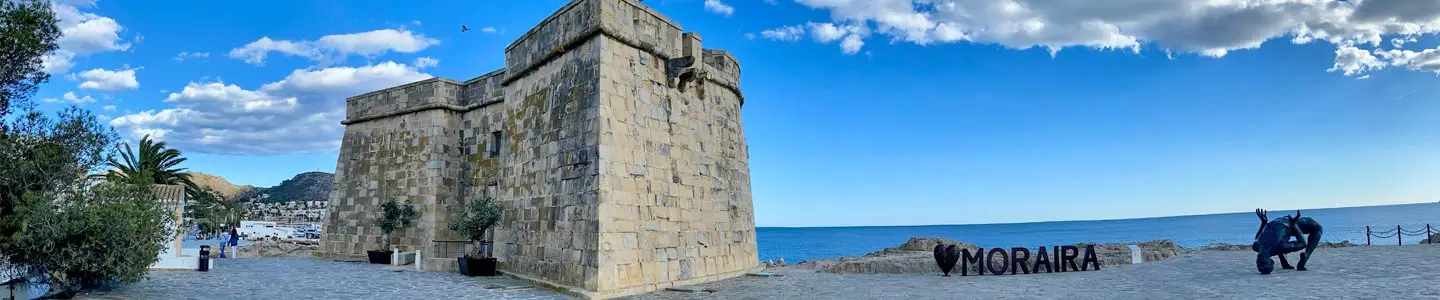
Among the most striking sights is the fortress on l’Ampolla beach, built in the 18th century to protect against pirate attacks. From Playa del Portet, a path leads up to Cap d’Or, a popular viewpoint with sweeping views over the coast. At its highest point stands the historic watchtower Torre del Cap d’Or, which was part of a defence system for early warning of attacks.
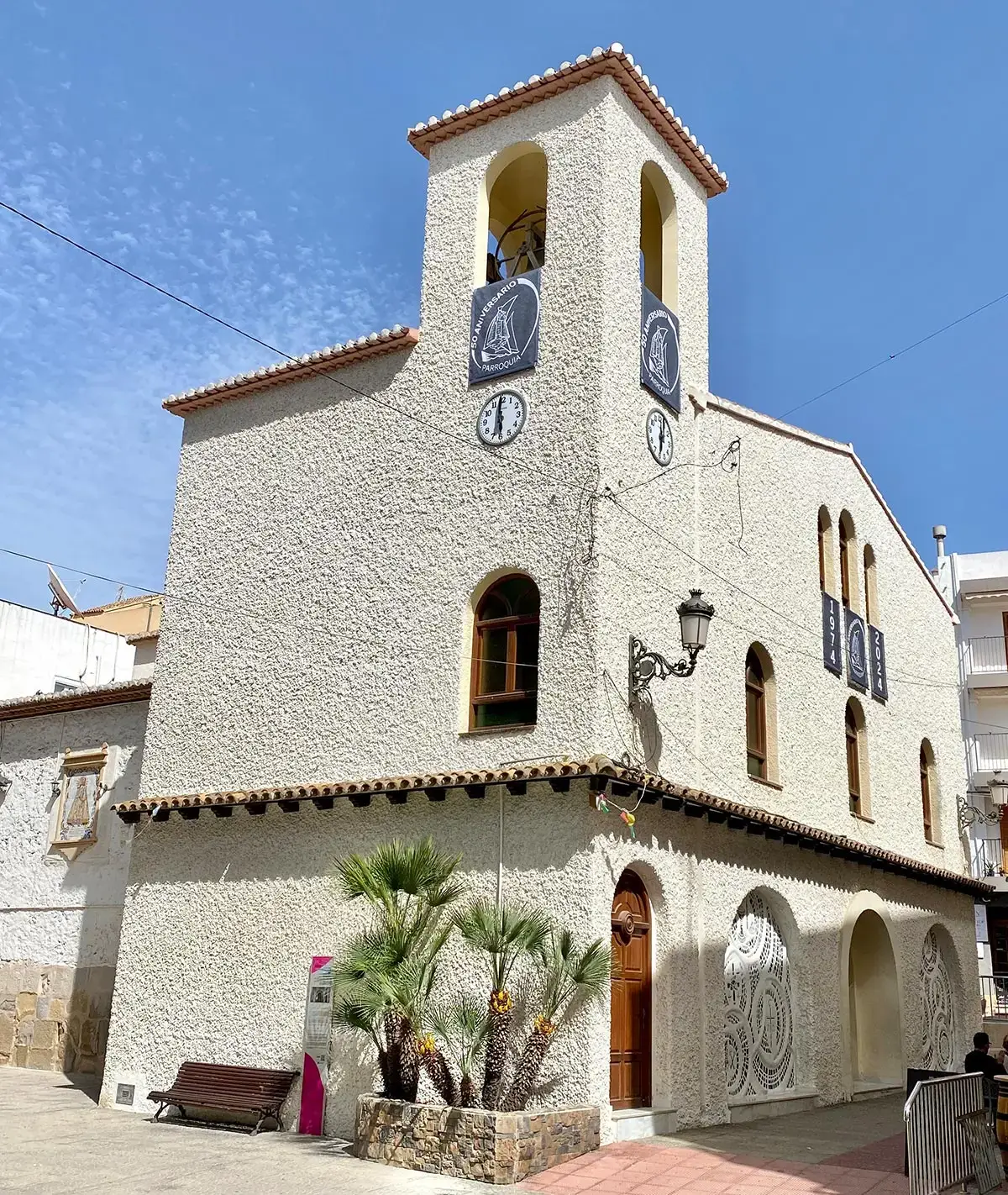
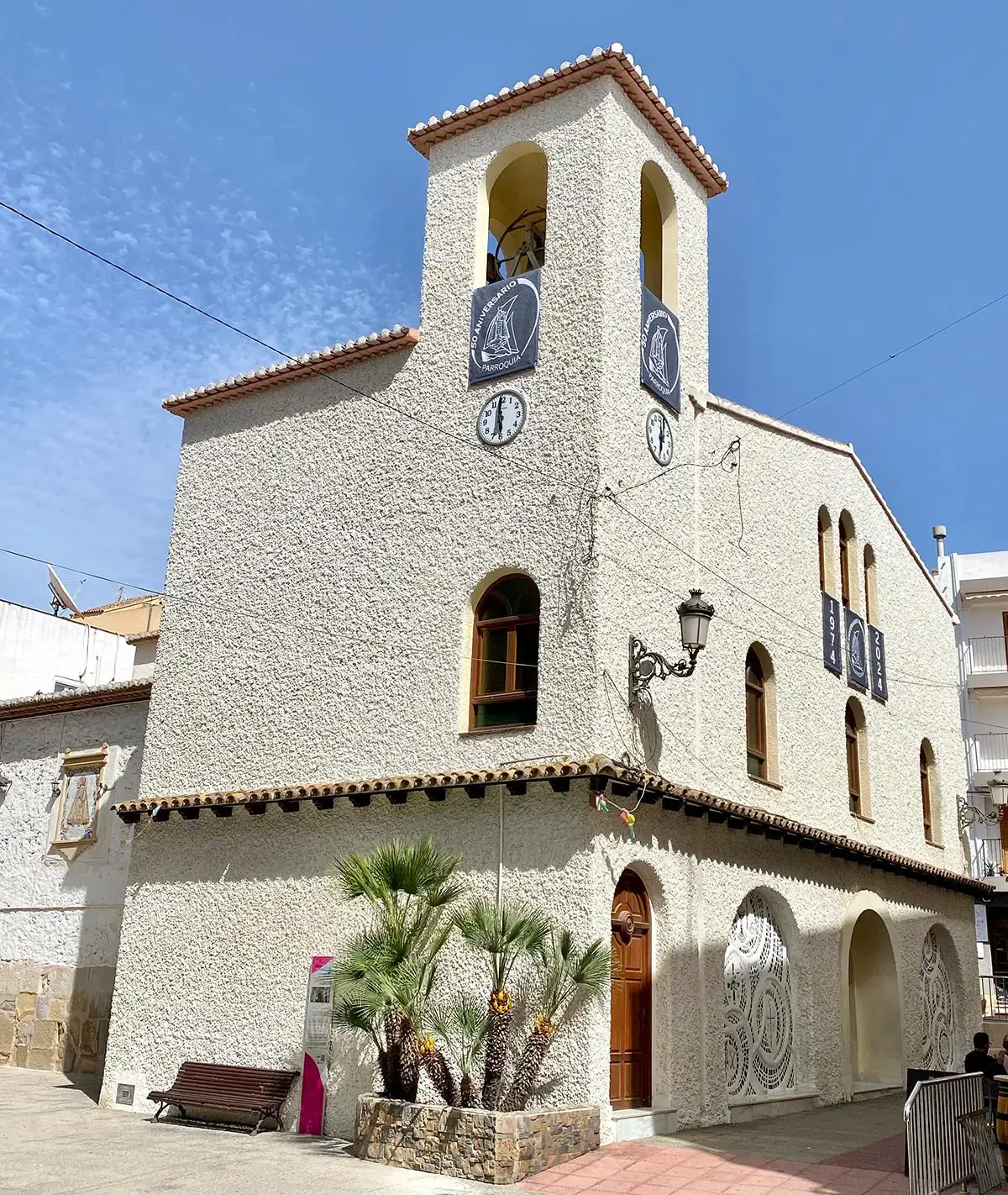
In the town centre is the late-19th-century parish church of Mare de Déu dels Desemparats. It complements Moraira’s cultural landscape and, together with the historic buildings and coastal scenery, creates a varied overall picture.
SIGHTS IN TEULADA
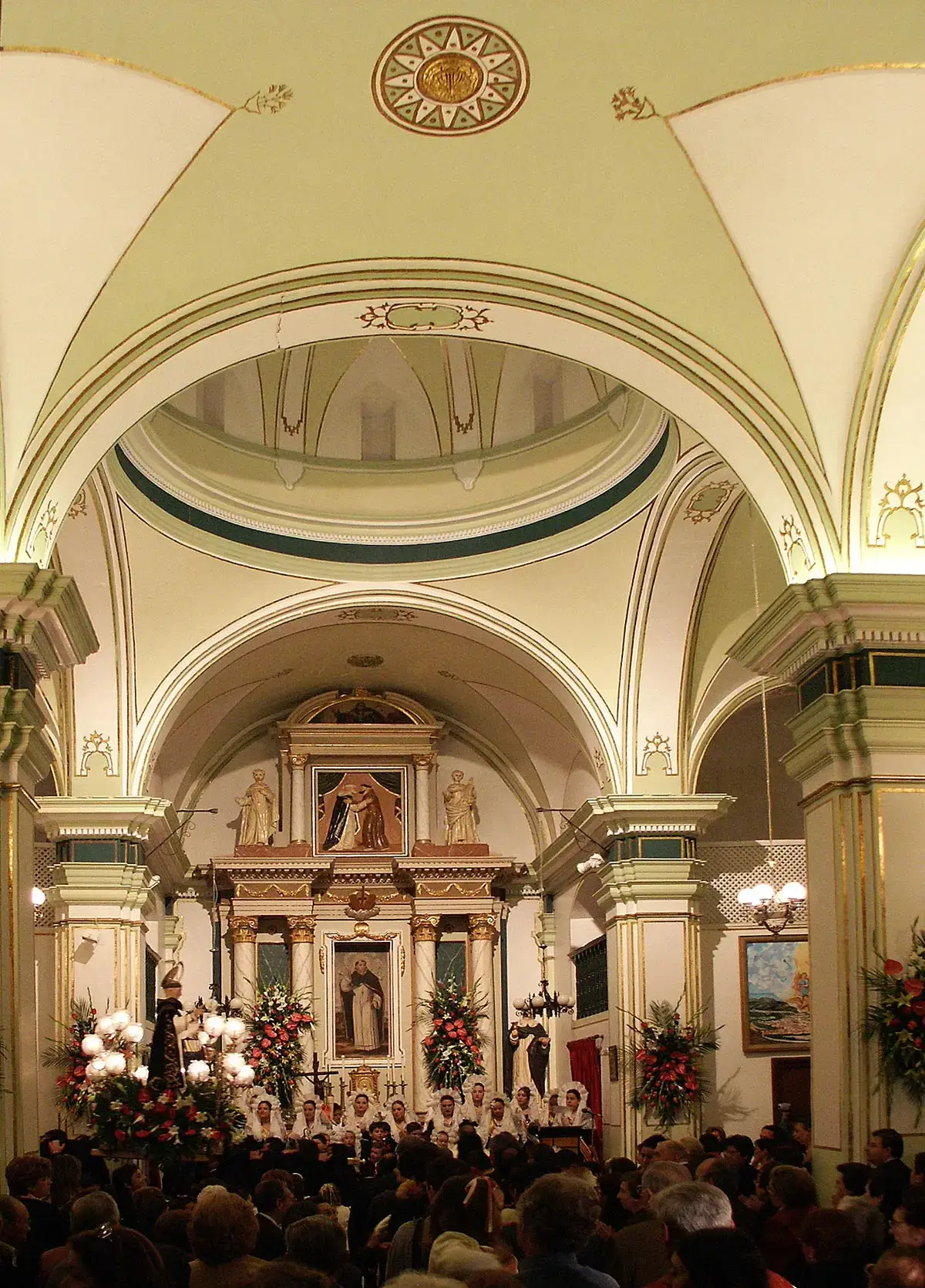
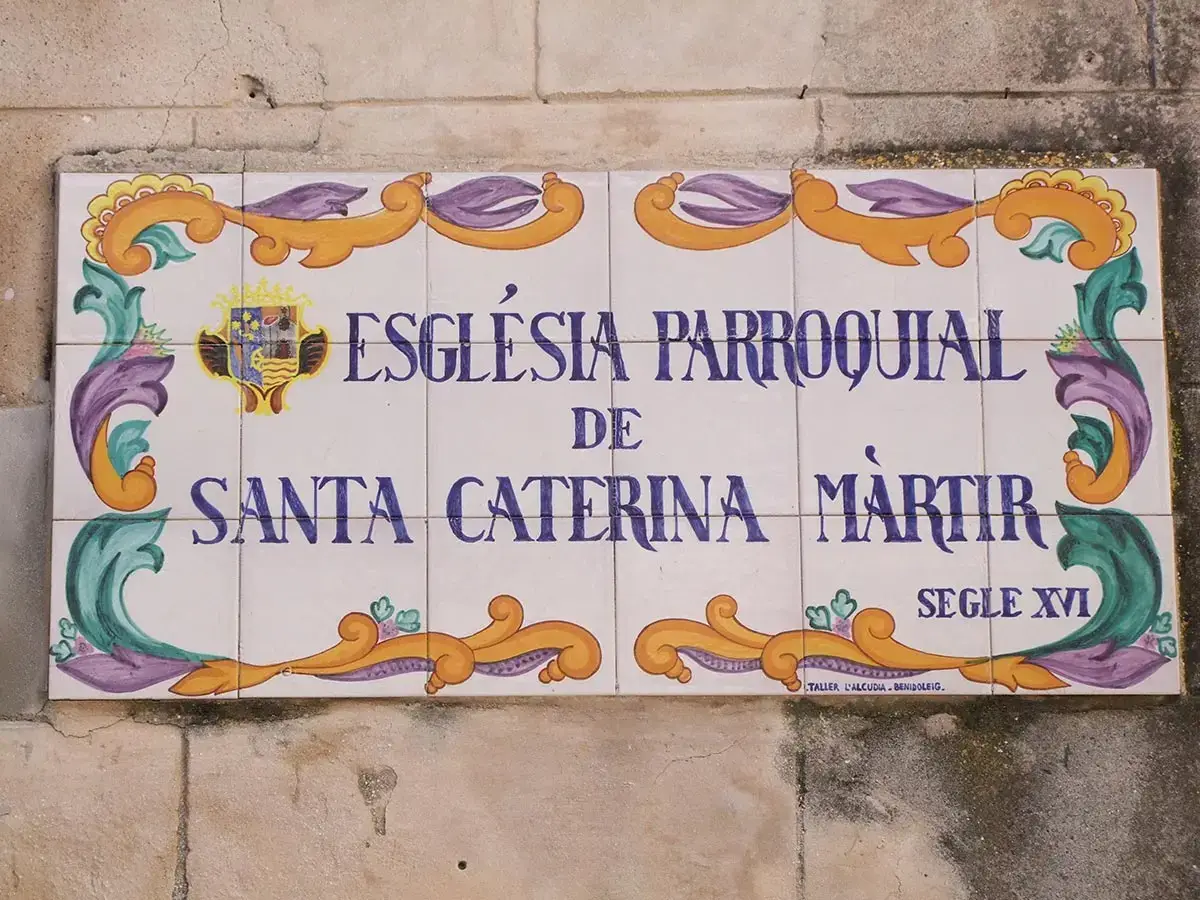
Fortified Church of Santa Caterina – Església fortalesa de Santa Caterina
This building, which served both religious and defensive purposes, is undoubtedly one of the municipality’s most important landmarks.
As early as 1562, the Italian engineer J.B. Antonelli recommended fortifying the church to protect it from the recurring attacks of Barbary pirates. Construction of this impressive building took around 35 to 40 years and was financed entirely by the residents of Teulada—around 600 people lived there in 1574—who contributed through various levies.
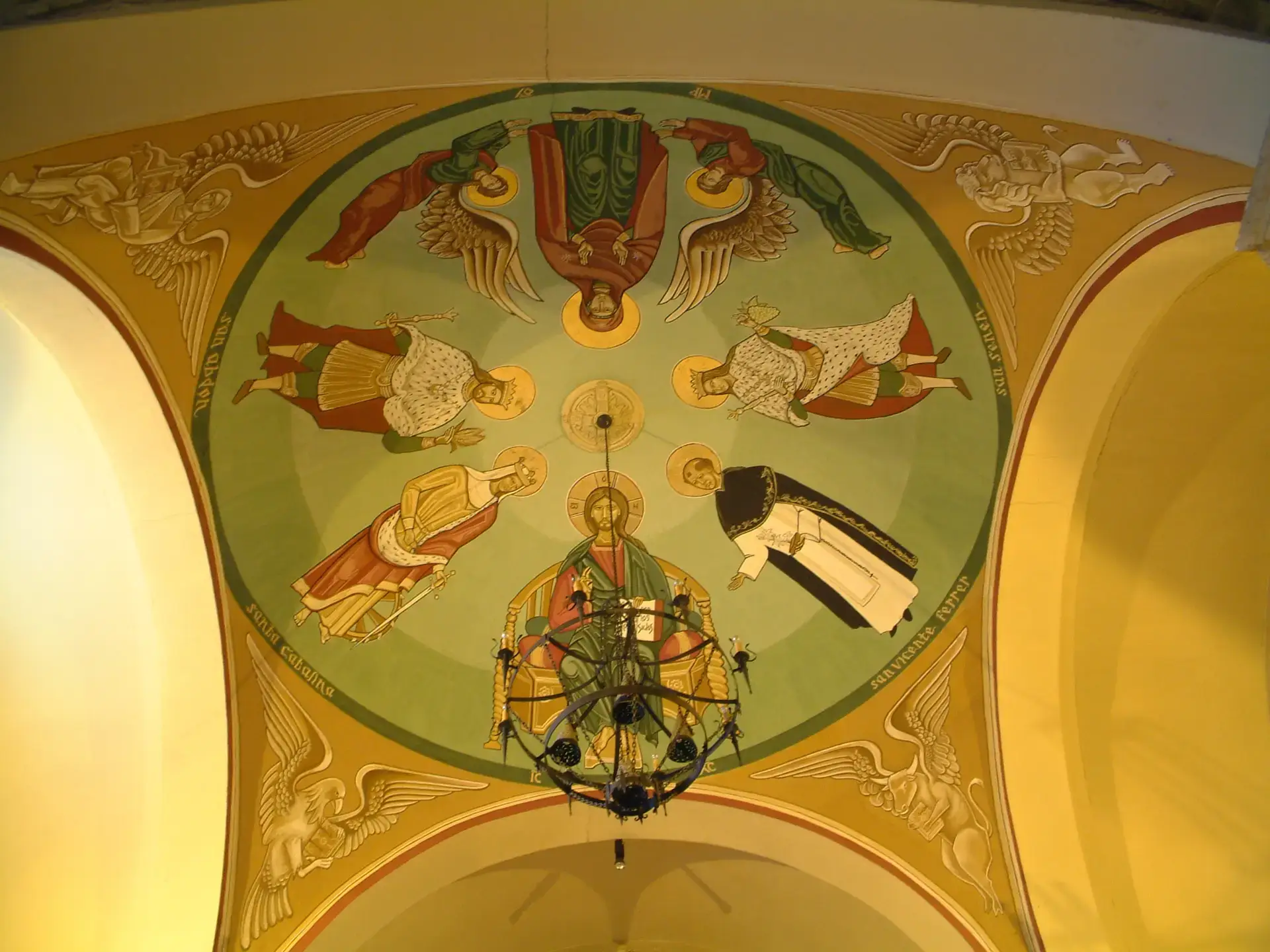
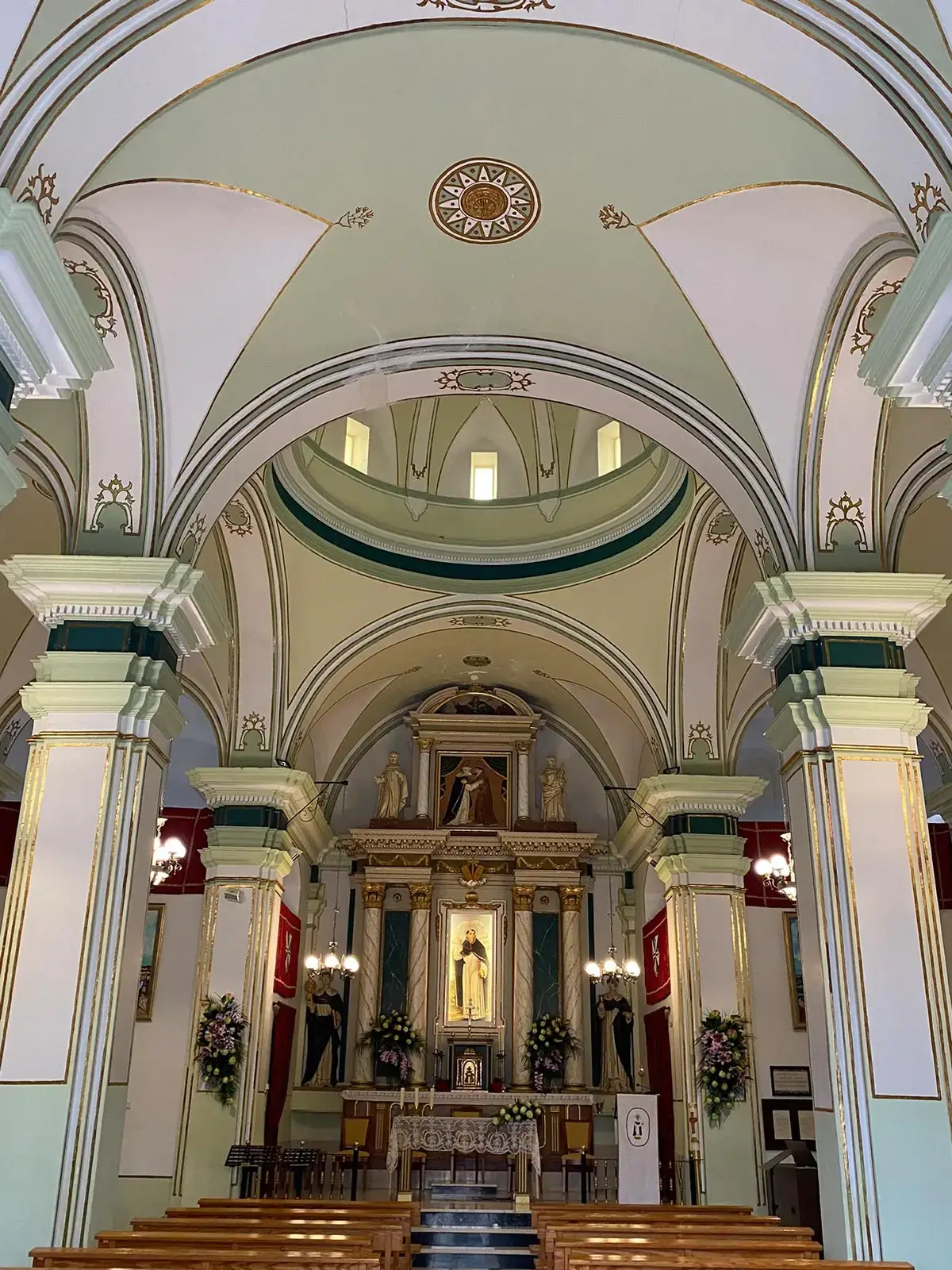
The church consists of an original structure as well as several extensions built from the 18th century to the present day. The oldest part from the 16th century comprises an east-facing nave with altars between the buttresses, a vault of ribbed arches, and a five-sided polygonal apse with a decorated dome.
In the 18th century, the first major extension took place: the floor plan was extended in the form of a Latin cross, meaning the church’s original defensive function increasingly receded into the background. Between the 19th and 20th centuries, the communion chapel and additional side rooms of the sacristy were added. The former round tower was replaced by a new bell tower. This hexagonal ashlar-stone tower has a base perimeter of 24 metres and reaches a height of 30 metres.
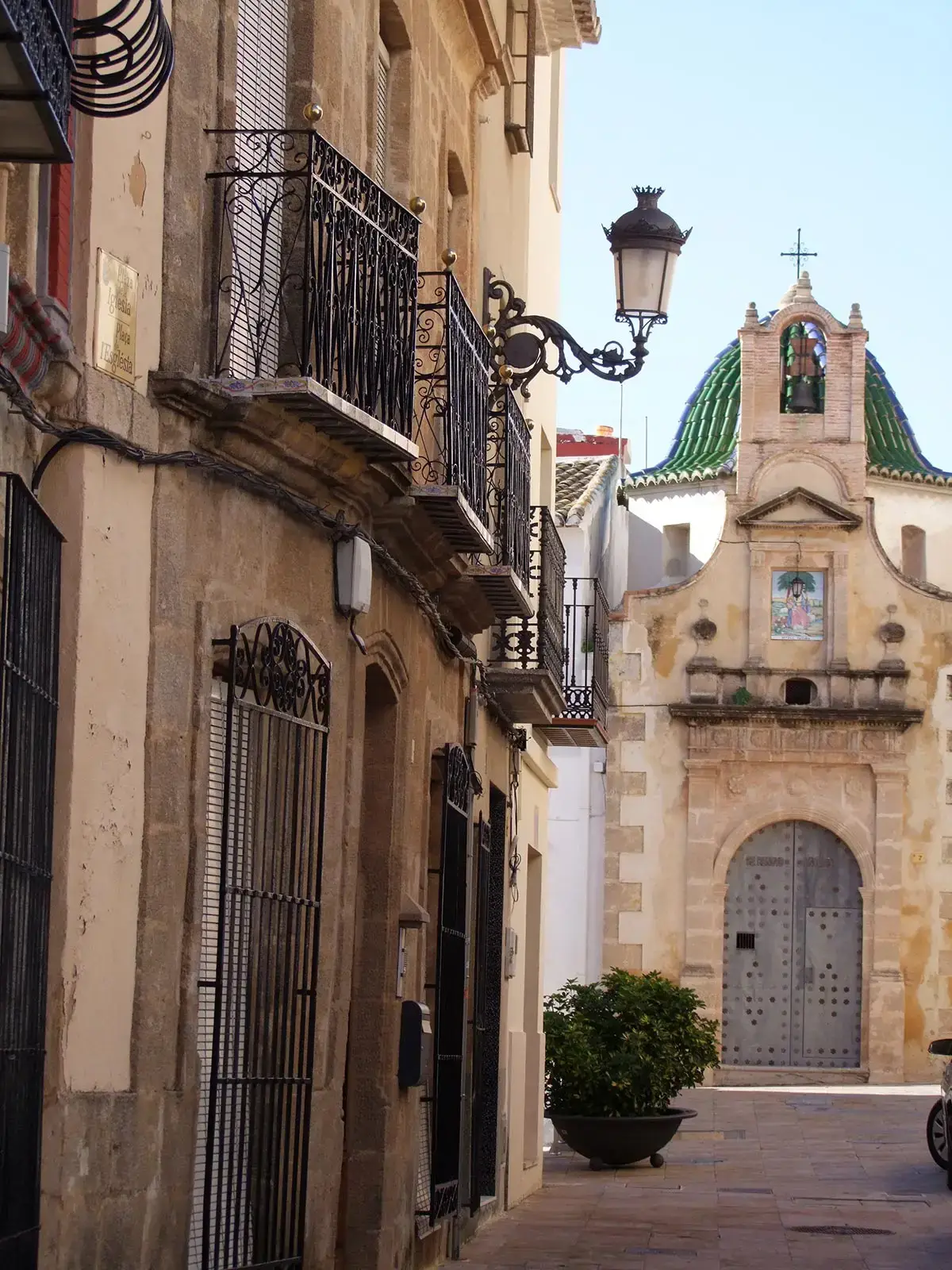
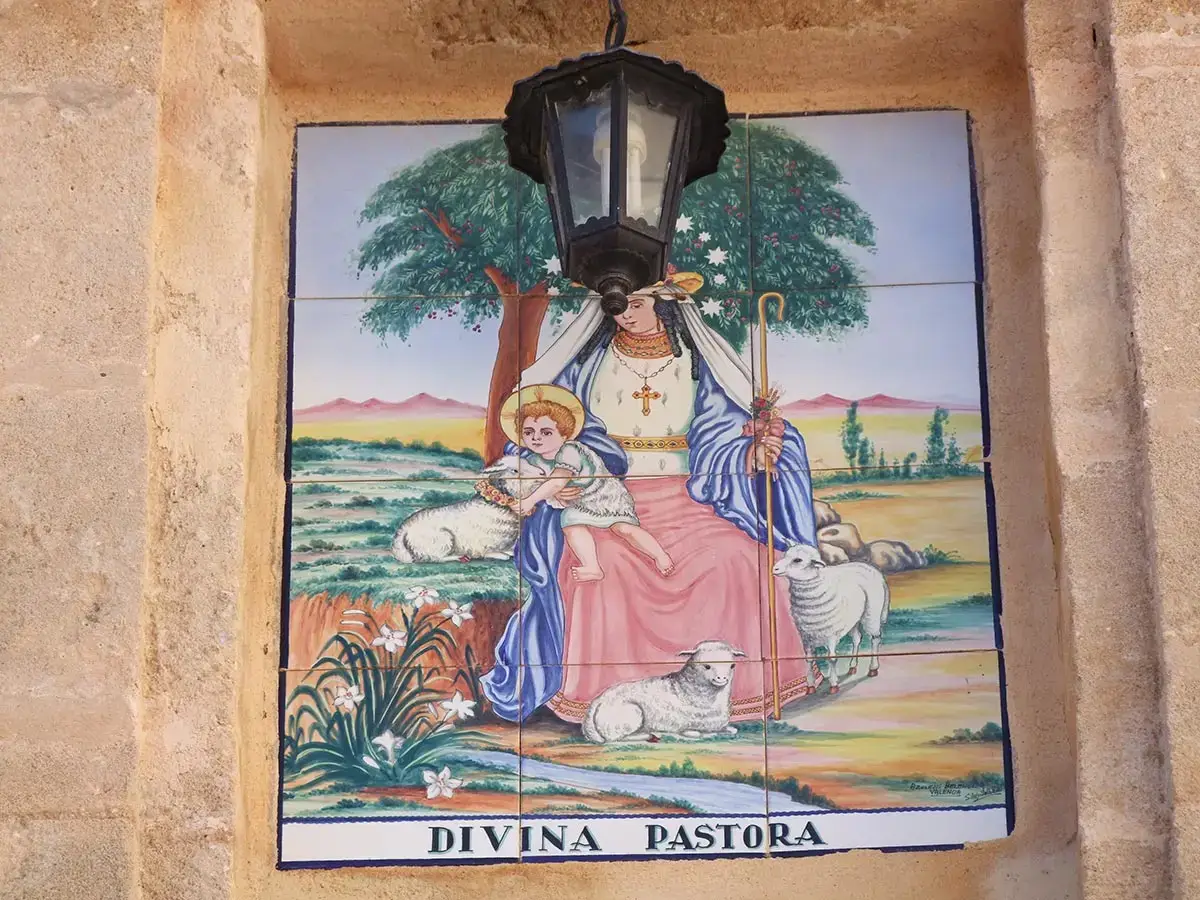
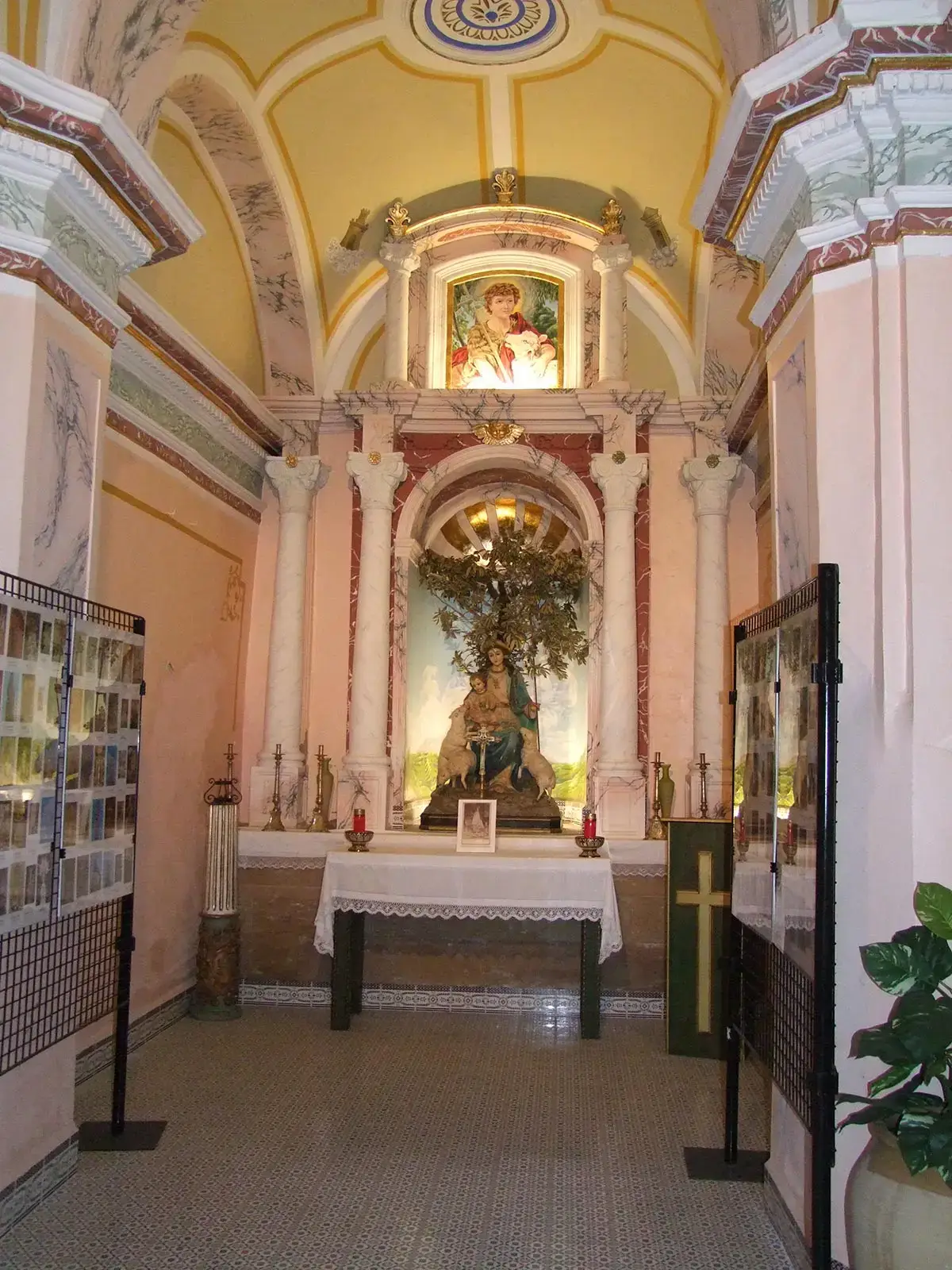
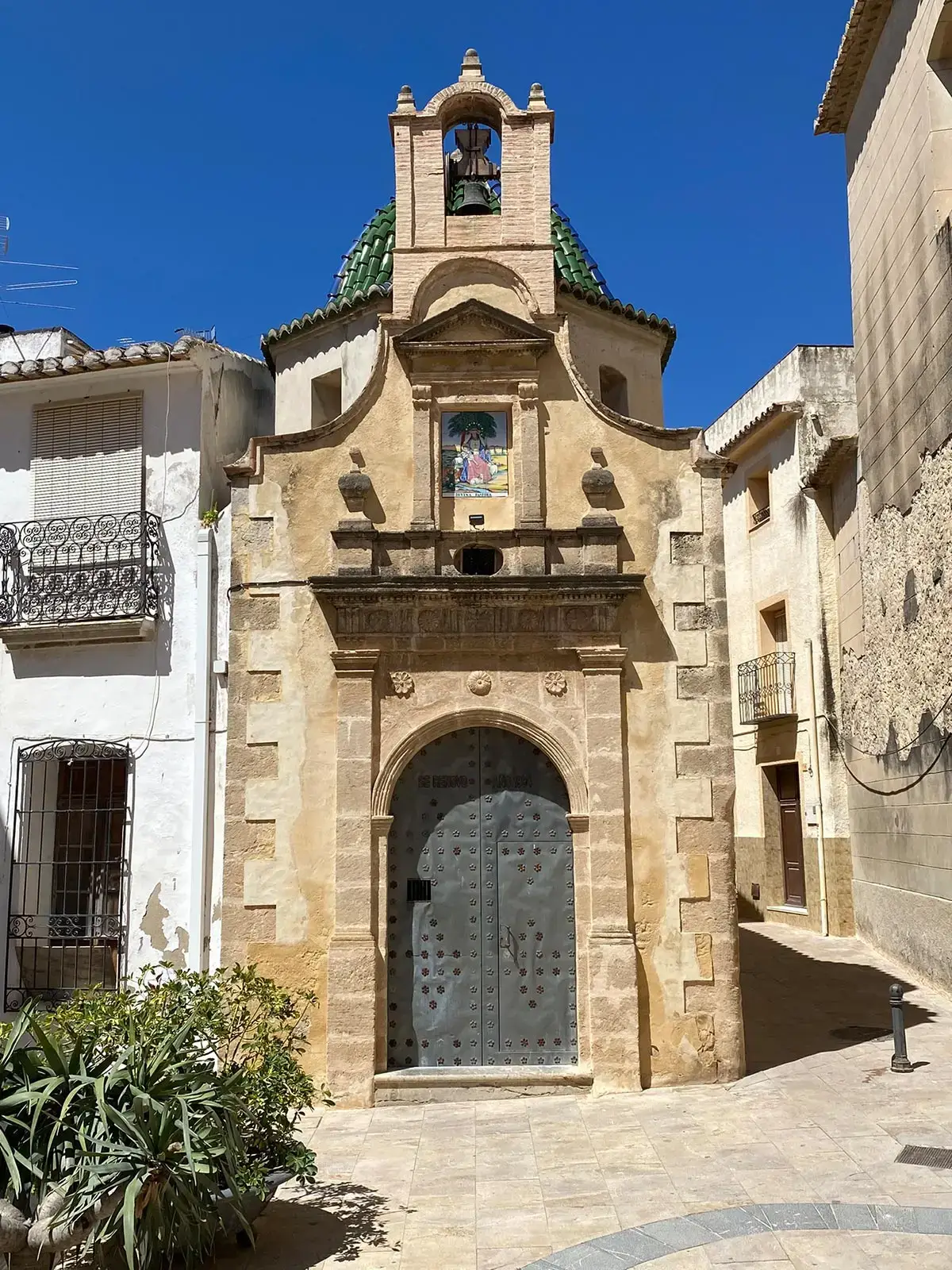
Pilgrimage Chapel of the Divine Shepherdess – Ermita Divina Pastora
The pilgrimage chapel is located in the immediate vicinity of the parish church of Santa Catalina.
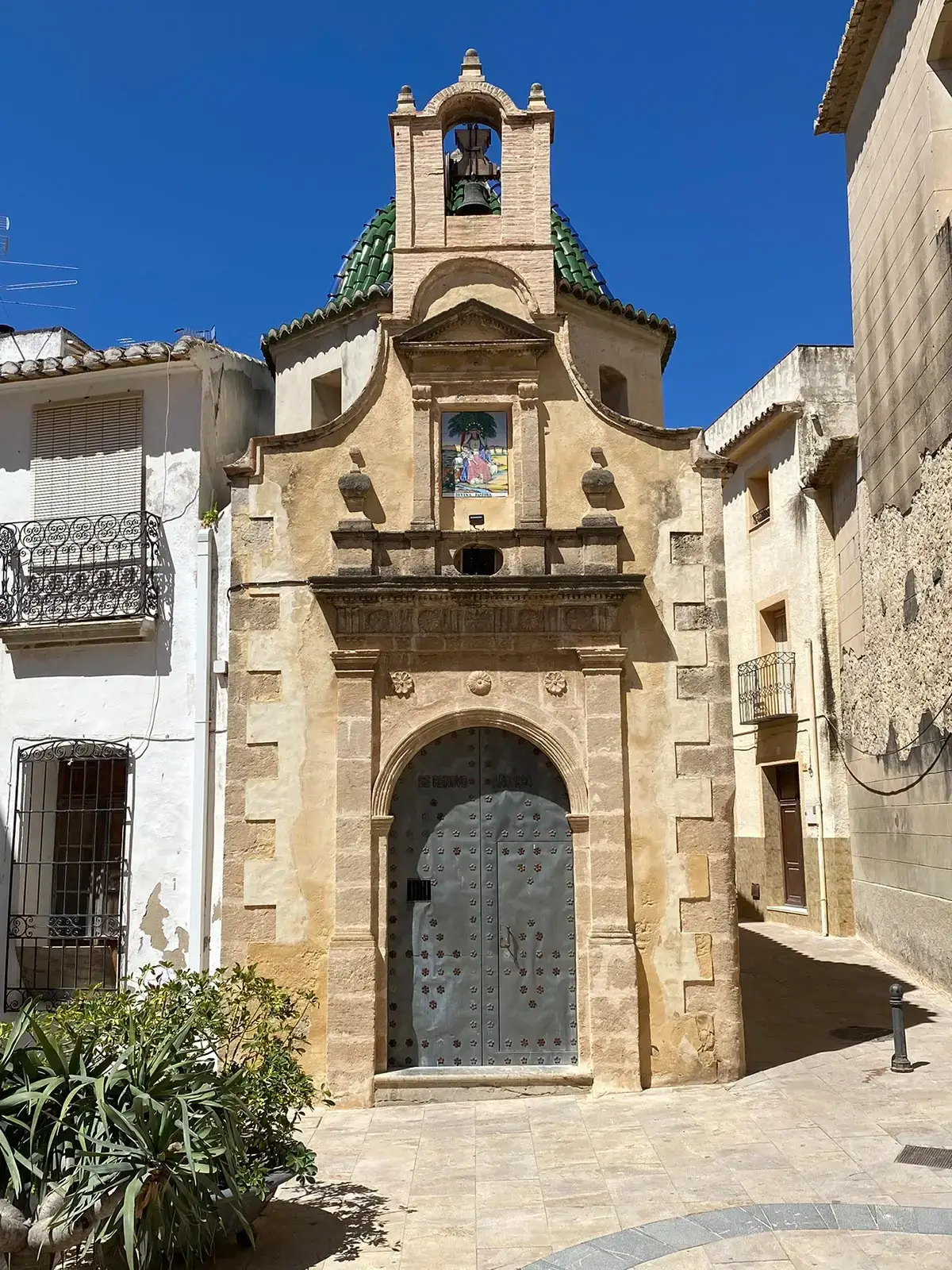
The exact year the chapel was built is not known. However, it is certain that it was renovated in 1861 and that the bell in the bell tower was installed in the 1870s. In 1986, a further restoration took place, during which parts of the façade and the roof covering were renewed.
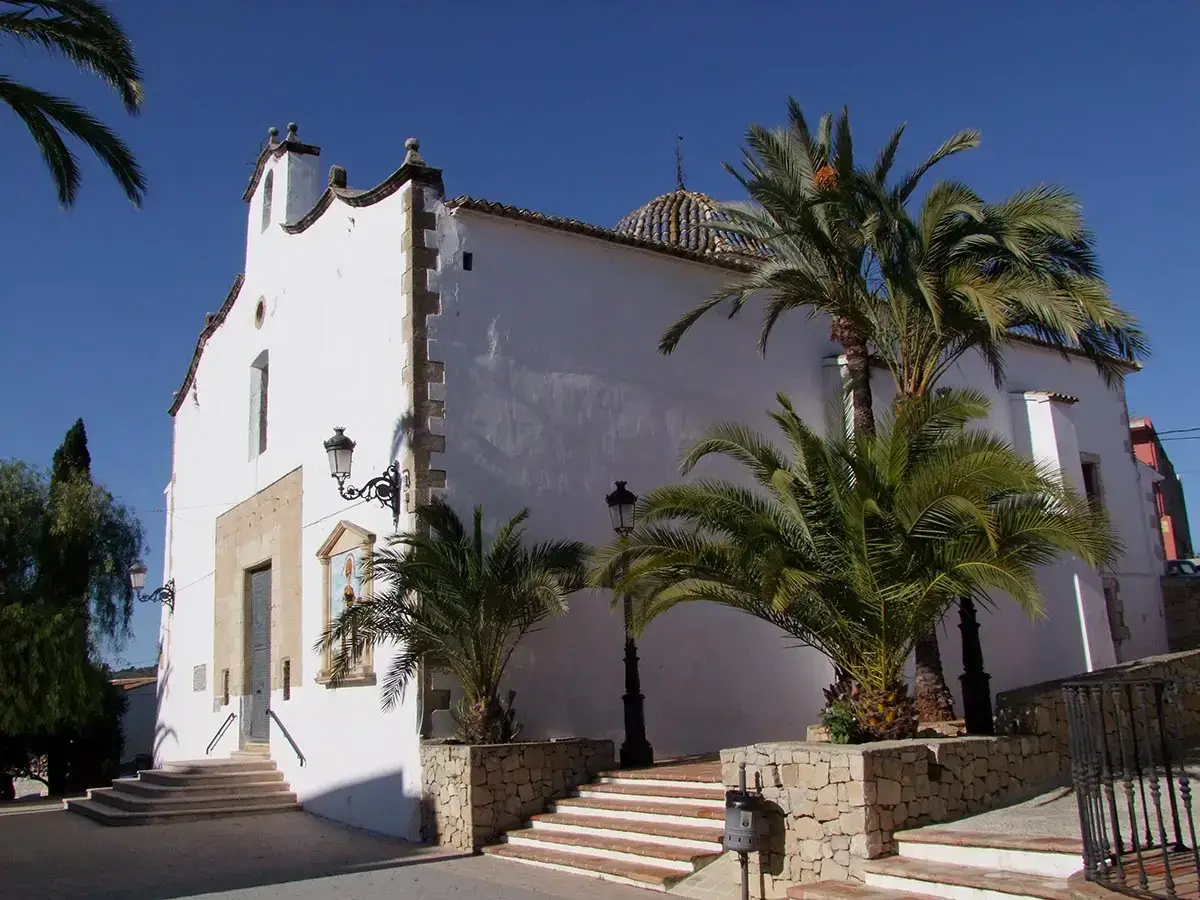
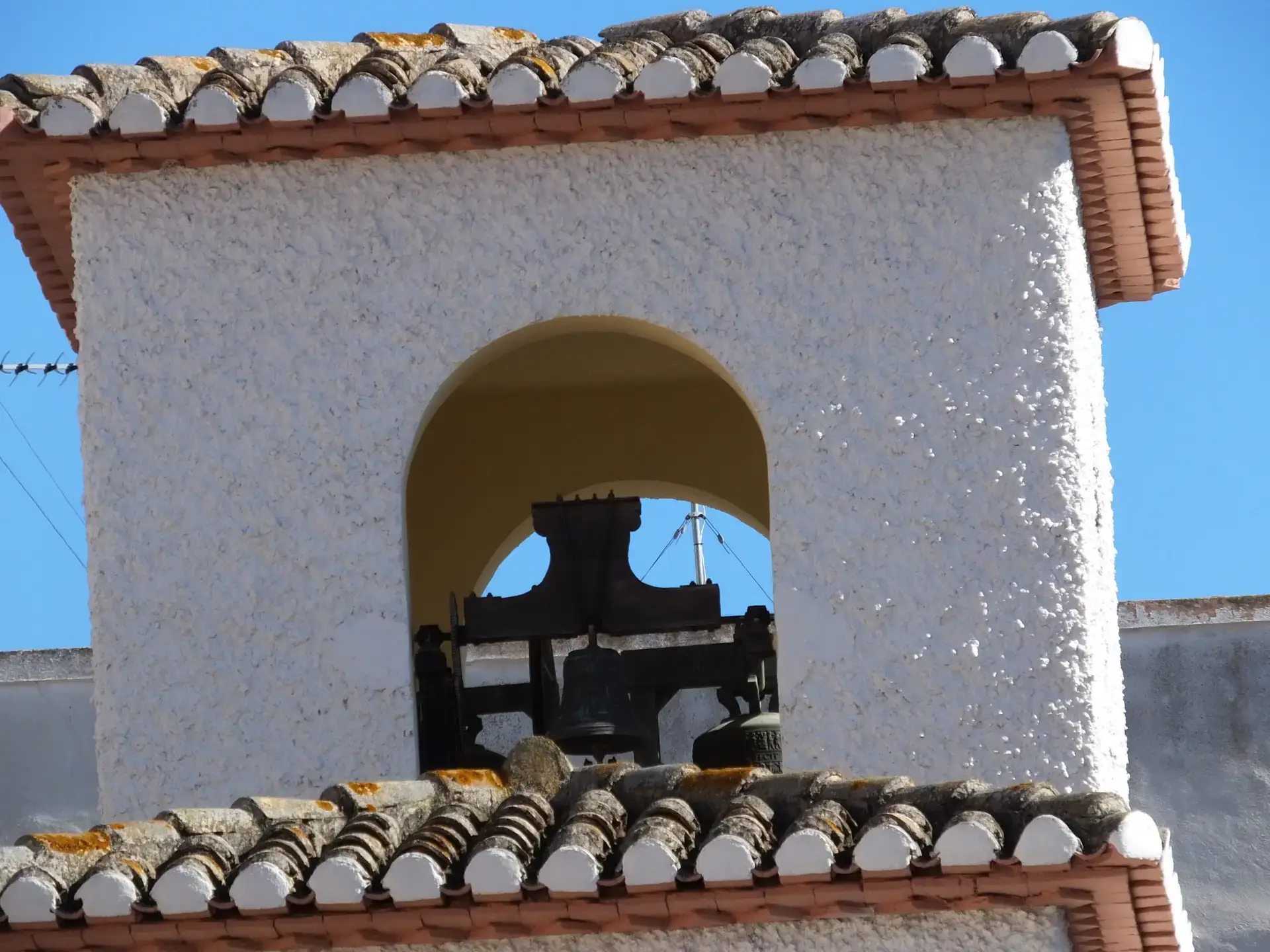
The chapel is in the Baroque style and is distinguished by its flat, tapering bell gable. The entrance portal, by contrast, dates from the Renaissance and creates a stylistic contrast to the rest of the building.
Pilgrimage Chapel of Sant Vicent Ferrer – Ermita Sant Vicent Ferrer
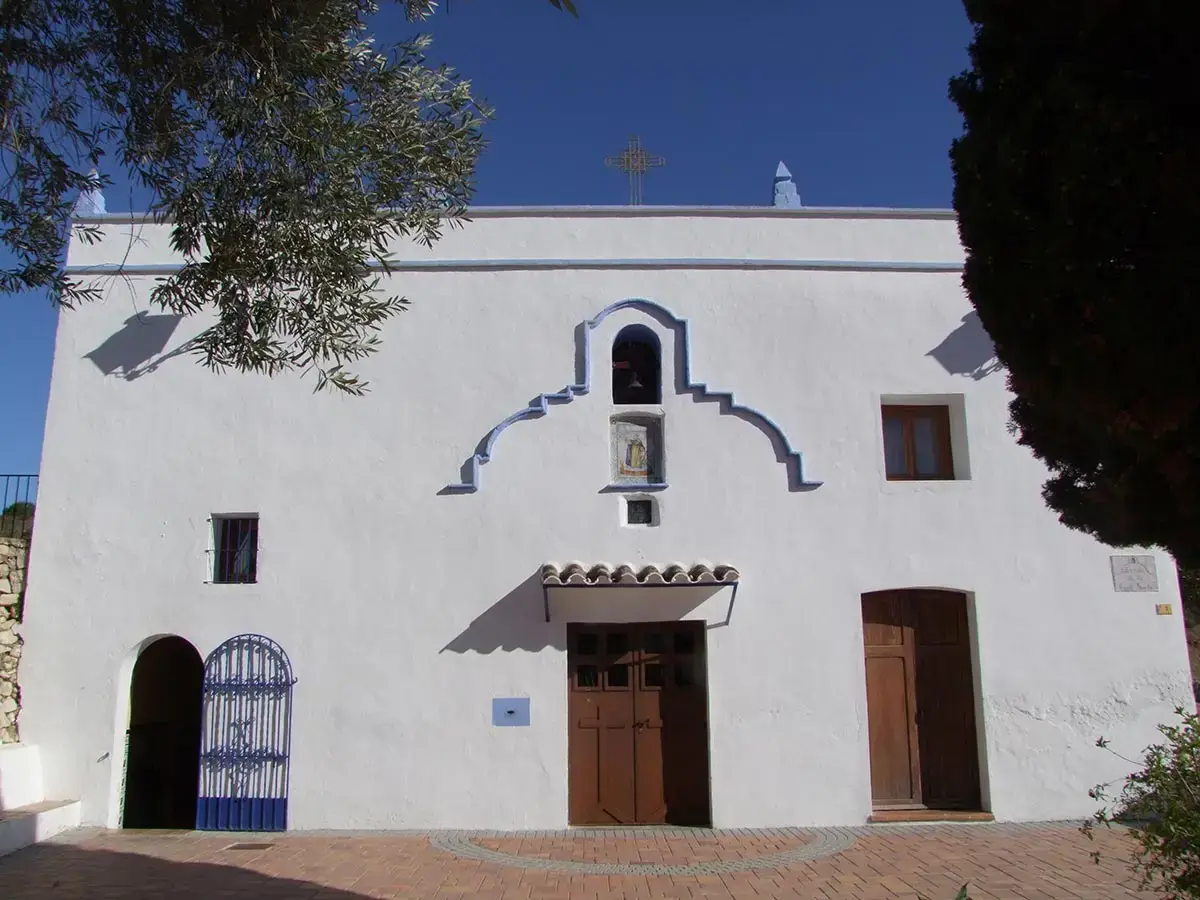
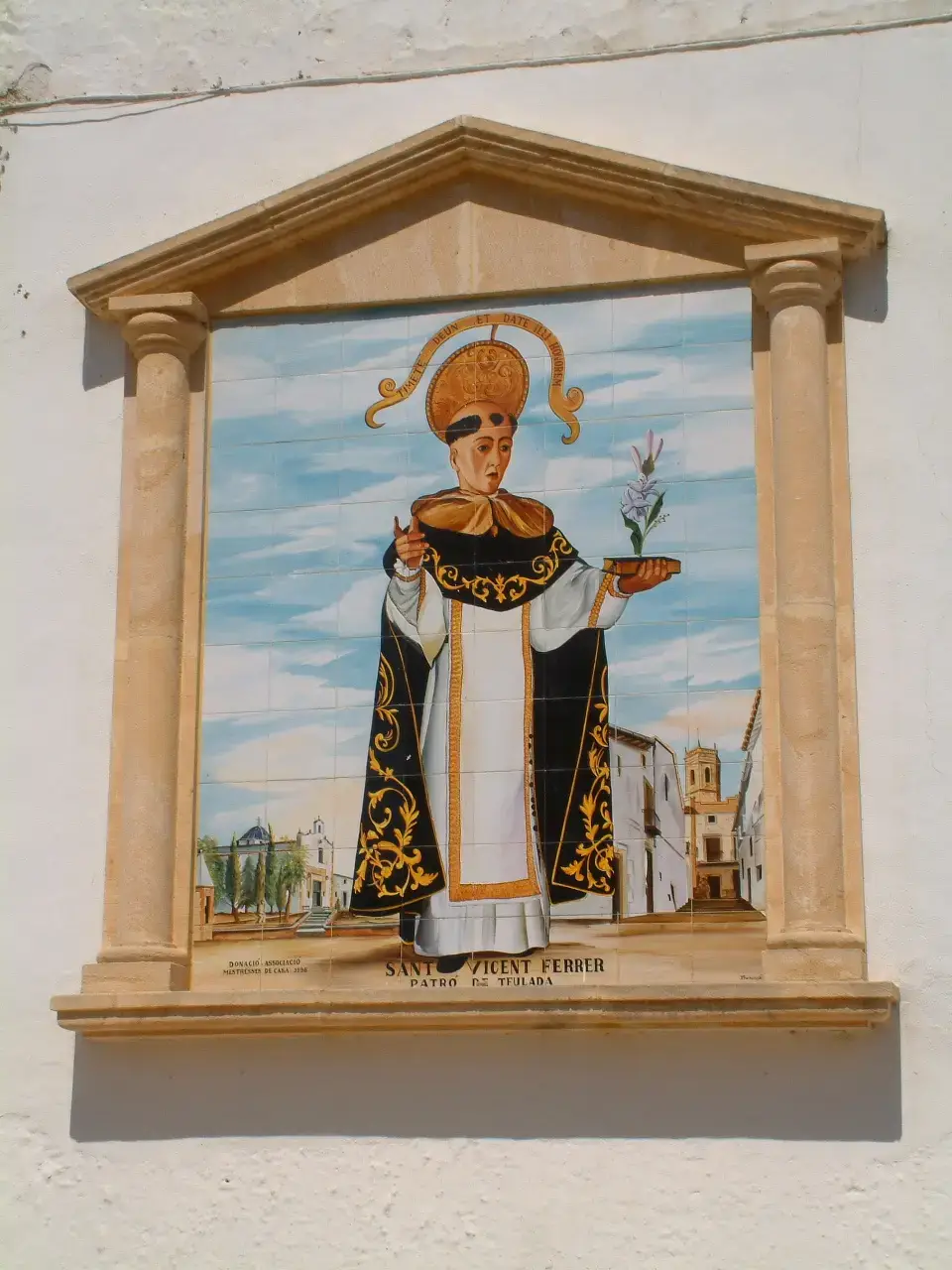
In the second half of the 18th century, from 1767 onwards and in the years that followed, the pilgrimage chapel “Ermita Sant Vicent Ferrer” was built. In 1793, Blai Estruc designed and painted the entire interior of the chapel. On March 29, 1797, it was solemnly blessed by the parish priest of Teulada, Dr Juan Martínez.
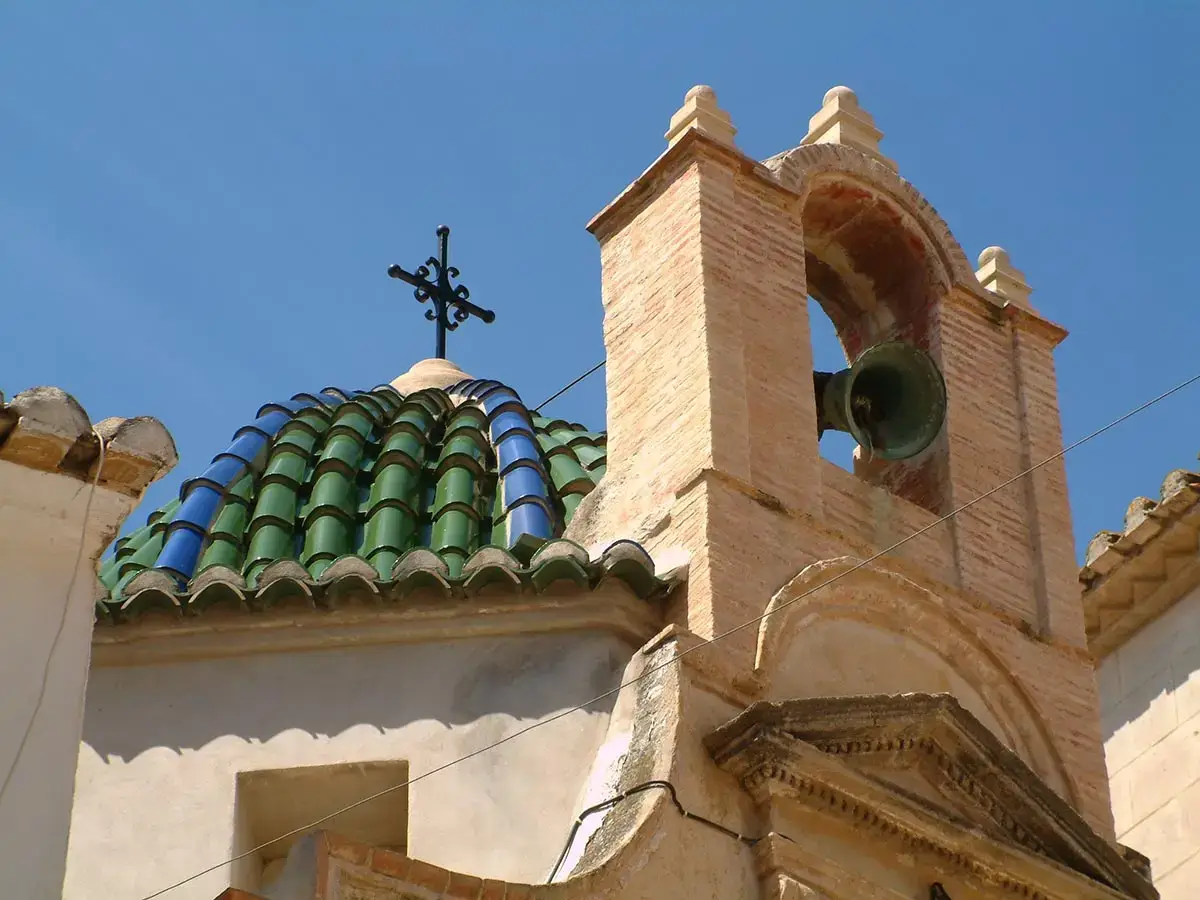
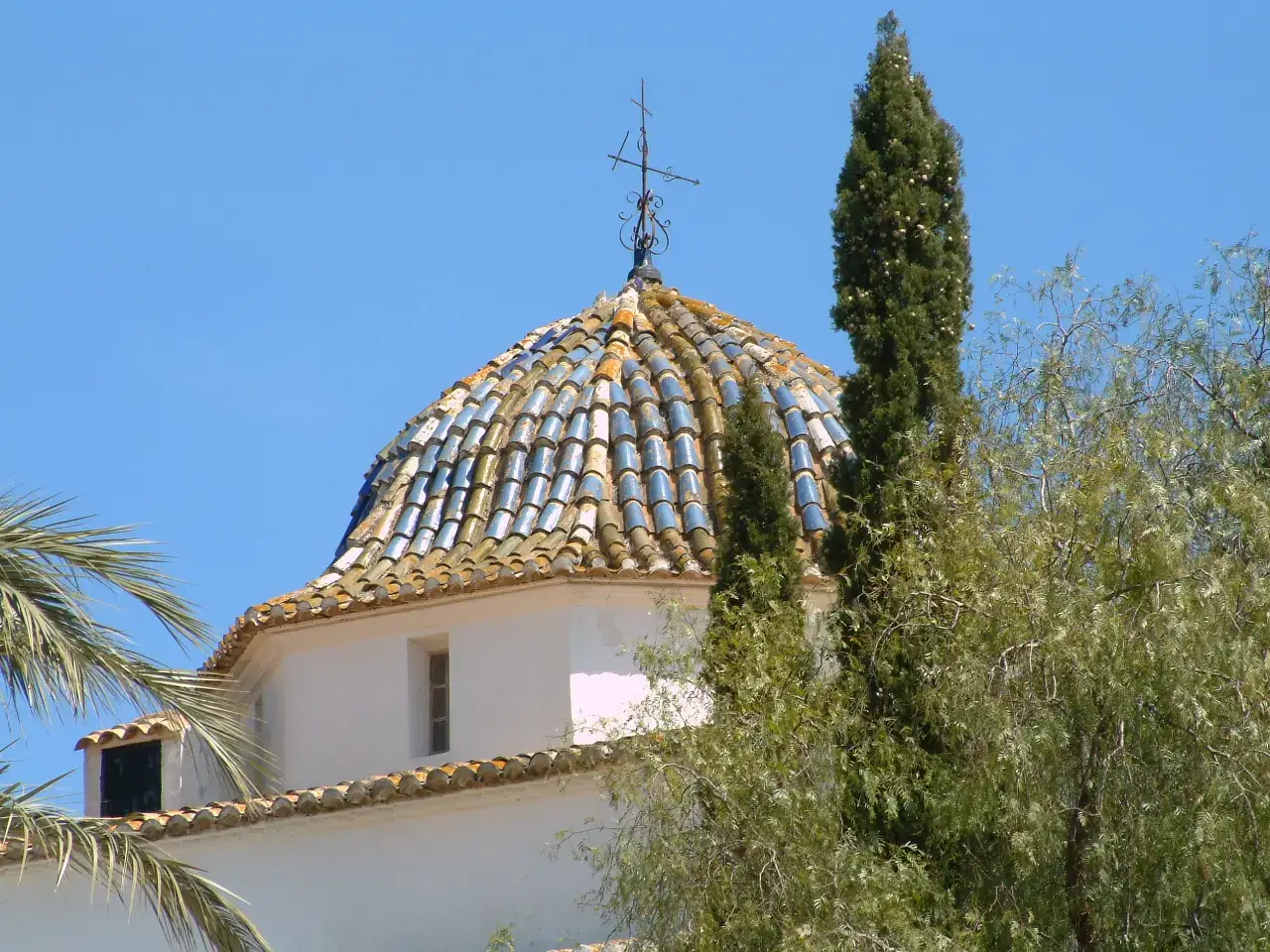
The chapel has a rectangular floor plan measuring 16 × 19 metres. The building is made of sandstone and is distinguished by its striking dome, covered with coloured roof tiles in blue, green and white, which stands out clearly against the bright white façade.
On the altar there is a depiction of Saint Vincent Ferrer from the 16th century, as well as a statue of the Eternal Father, which may have been part of an original altarpiece. About 17 metres away stands a small chapel with a pyramidal roof. According to tradition, this is the place where Vincent Ferrer preached as he bade farewell to the people.
Inside this small chapel is a pictorial depiction of this historic event from 1985, created by the artist Paloma Maynar.
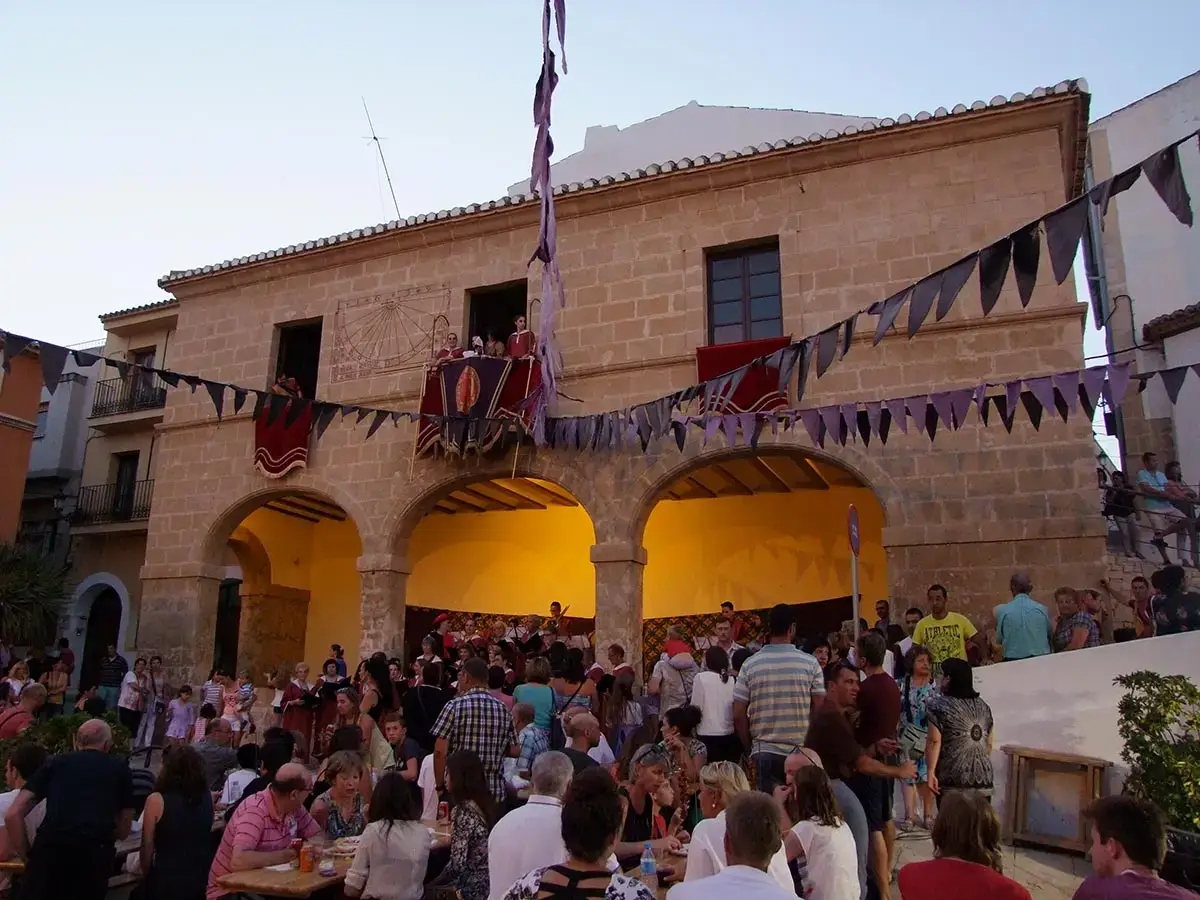
Sala de Jurats i Justicies
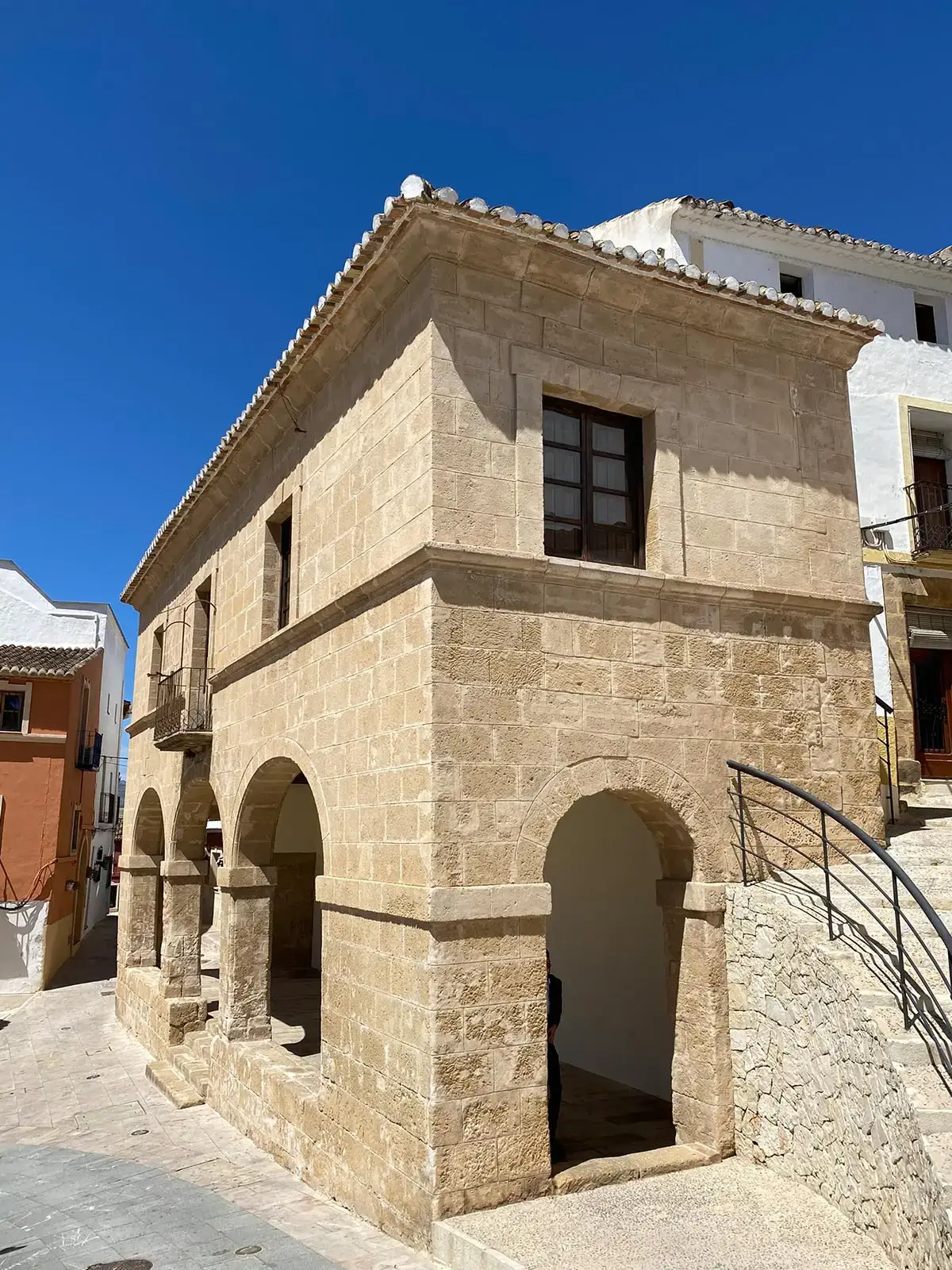
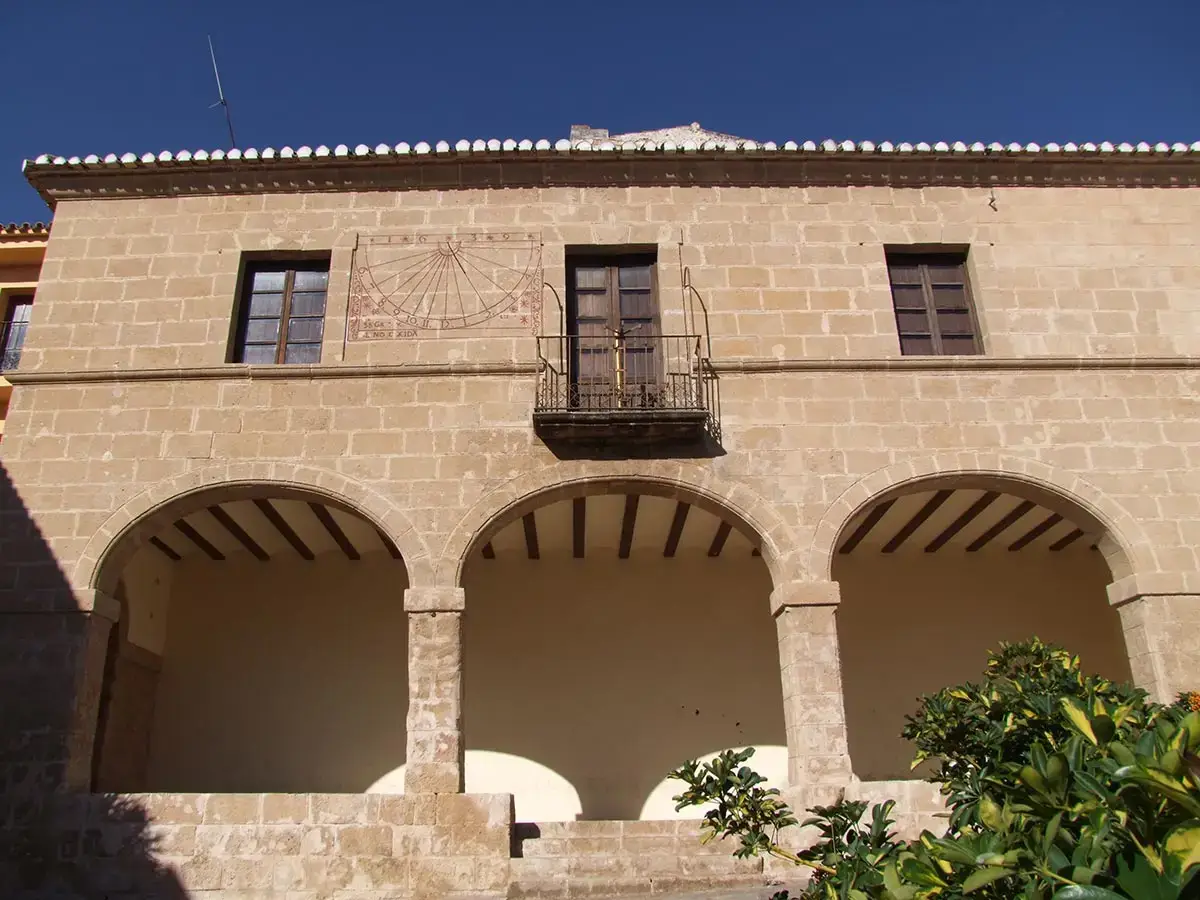
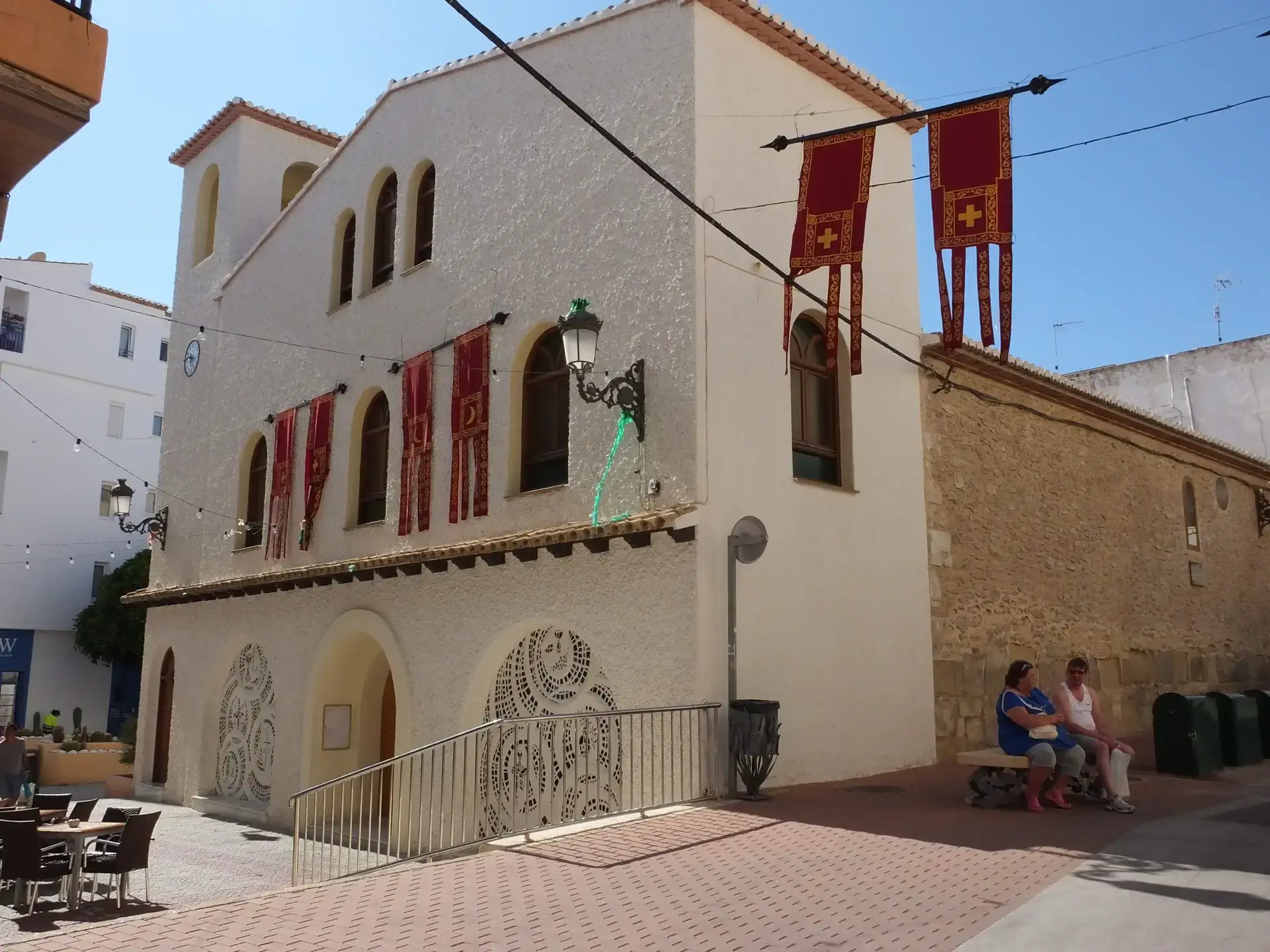
In the second decade of the 17th century, during a period of urban, ecological and demographic expansion, the “Sala de Jurats i Justícies” was built. The year 1620 can be seen on the building’s eaves, which presumably marks the completion of construction.
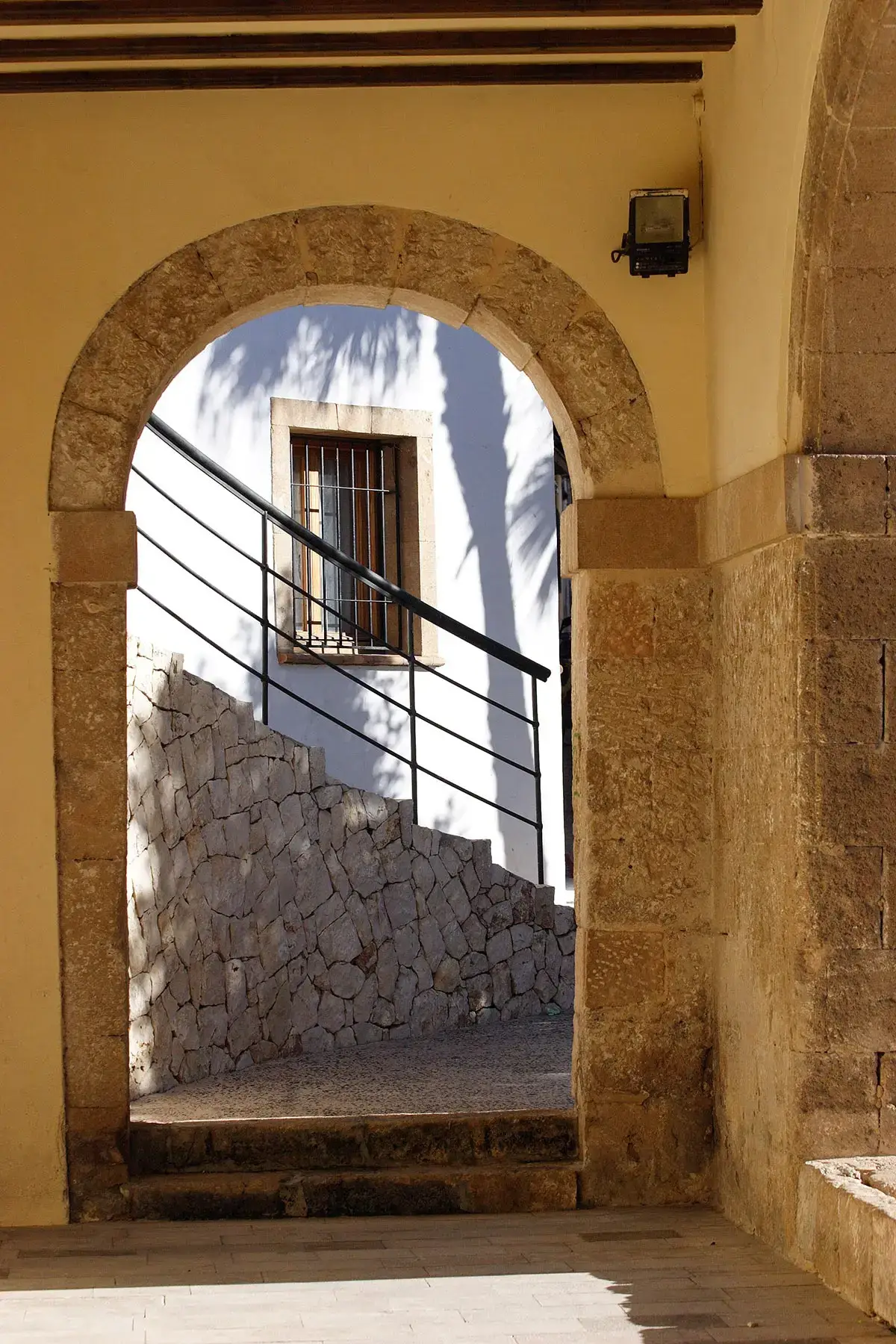
In the centuries that followed, the building was restored and remodelled several times. At the beginning of the 20th century, the arches of the colonnade were repeatedly bricked up and reopened depending on the political situation.
The “Sala de Jurats i Justícies” is an important example of 17th-century civic architecture. The south-facing building is made of tuff stone and has a rectangular floor plan. In 1639, a sundial was installed due to the favourable location.
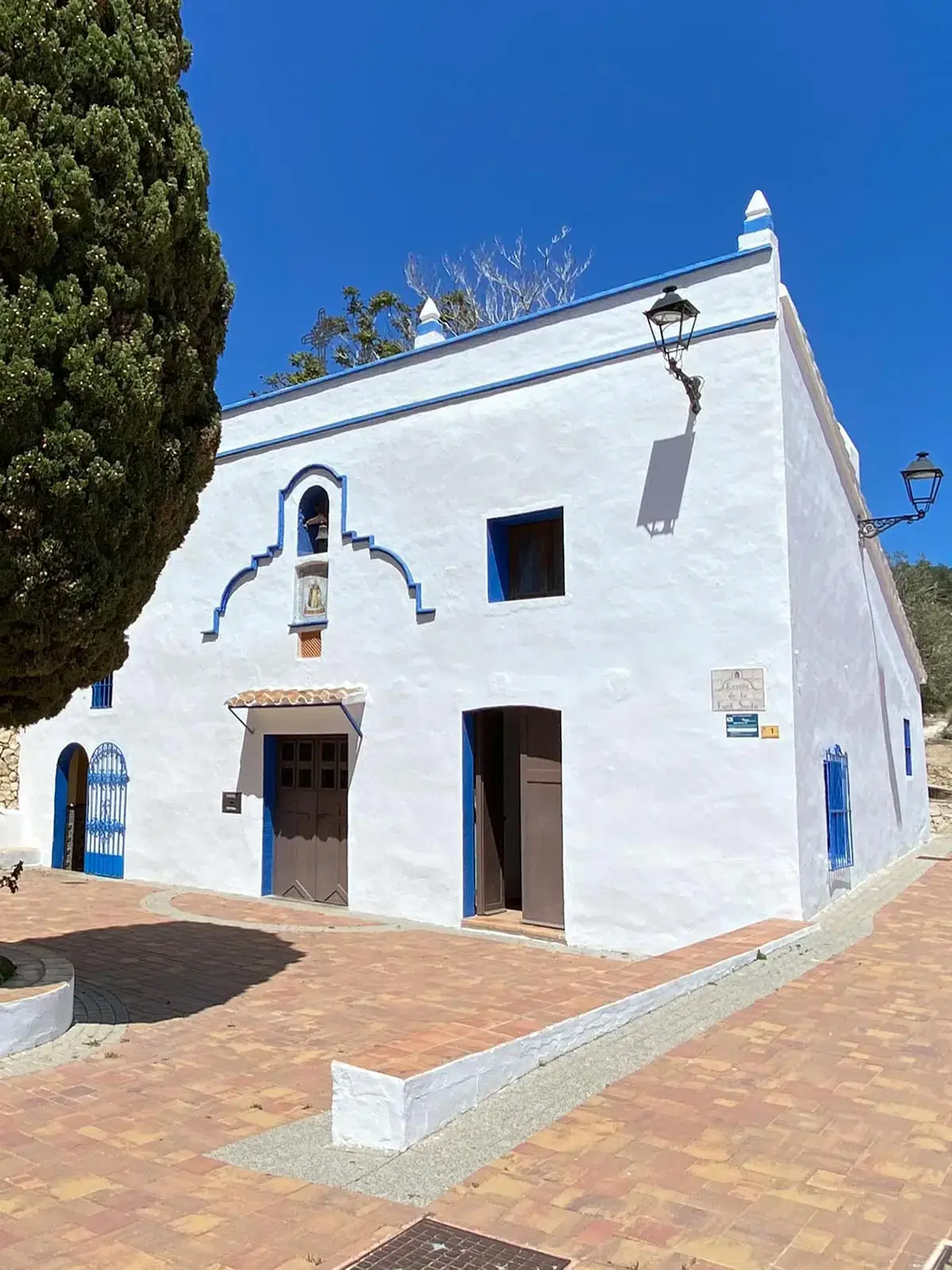
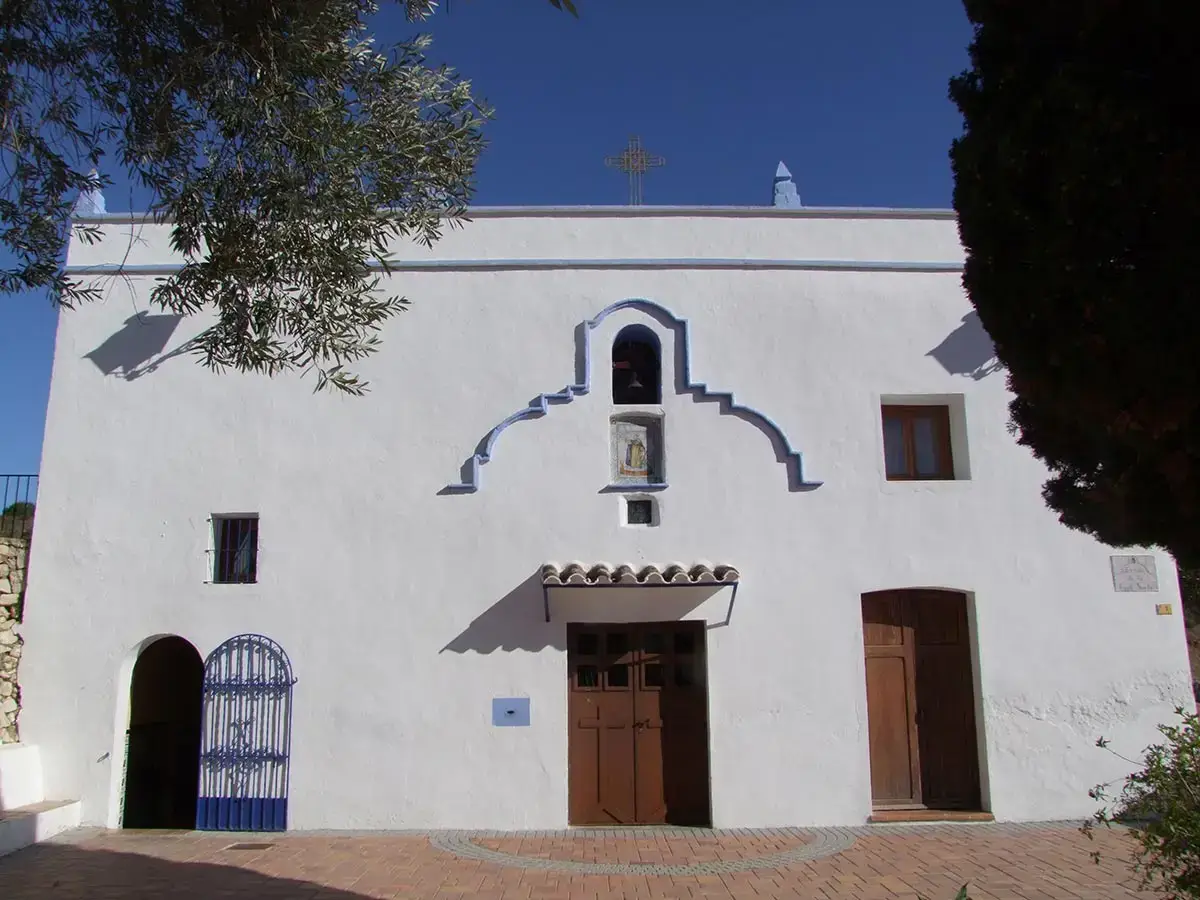
Pilgrimage Chapel of Font Santa
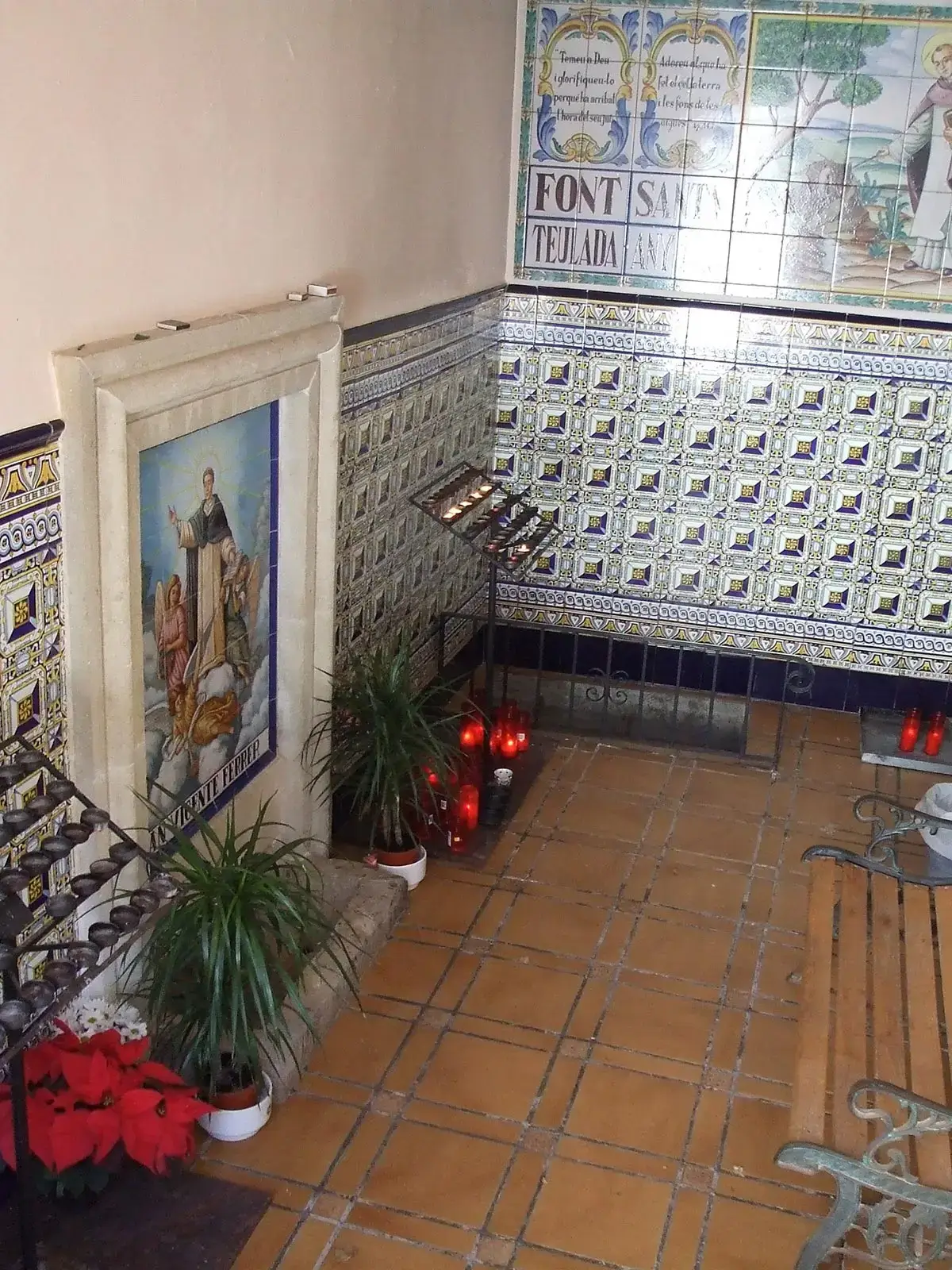
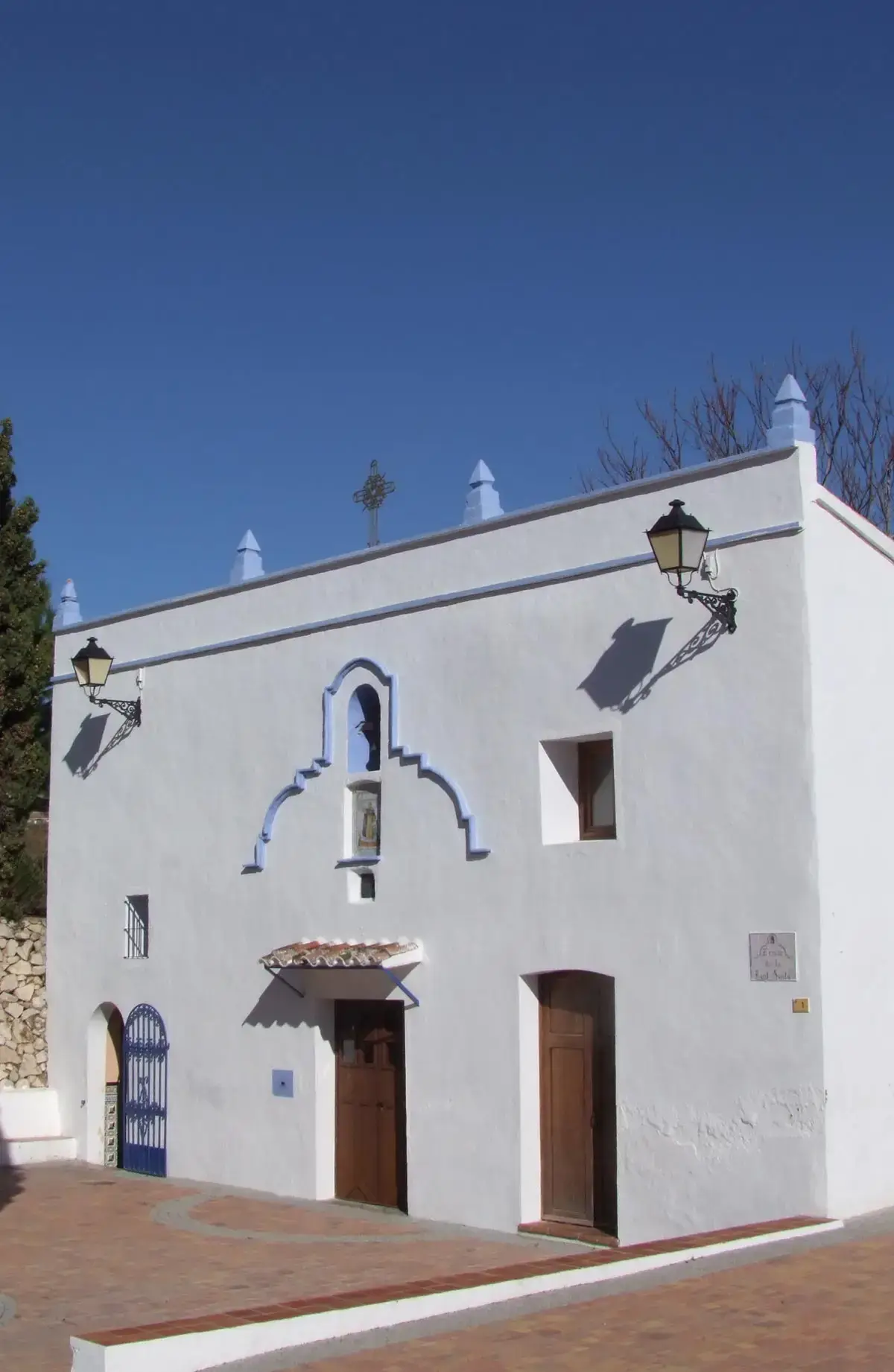
On the road from Teulada to Moraira is the pilgrimage chapel of Font Santa, dedicated to Saint Vincent Ferrer. In addition to the chapel itself, the building houses a small room with the spring that gives this place its special significance.
According to tradition, Saint Vincent Ferrer performed a miracle here in the 15th century: at the request of his sister Constança, who lived in Teulada, he caused water to spring from a rock. Since then, the spring has flowed continuously—drop by drop—regardless of whether the years are dry or rainy.
Every year, the traditional Font Santa festival is celebrated around the chapel on the first Sunday in July.
SIGHTS IN MORAIRA
Castillo de Moraira
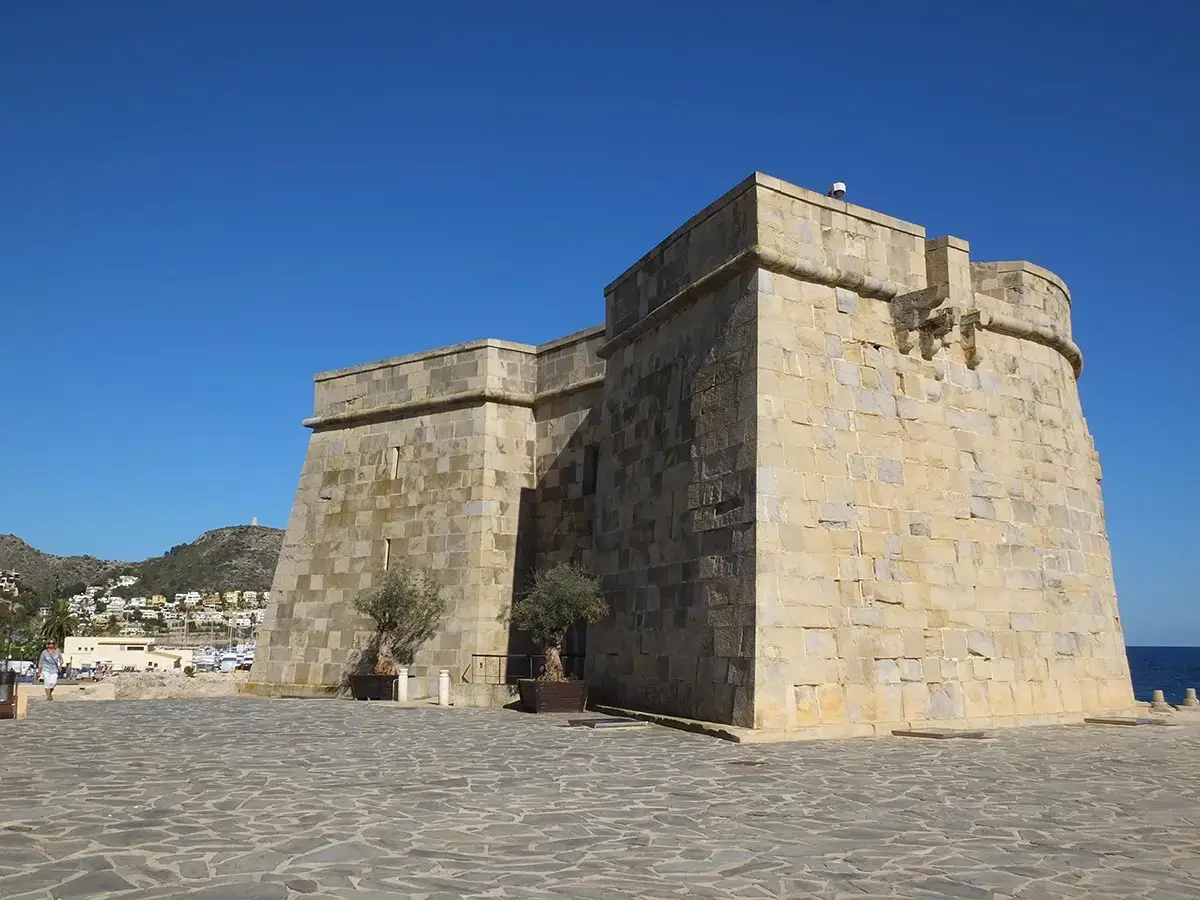
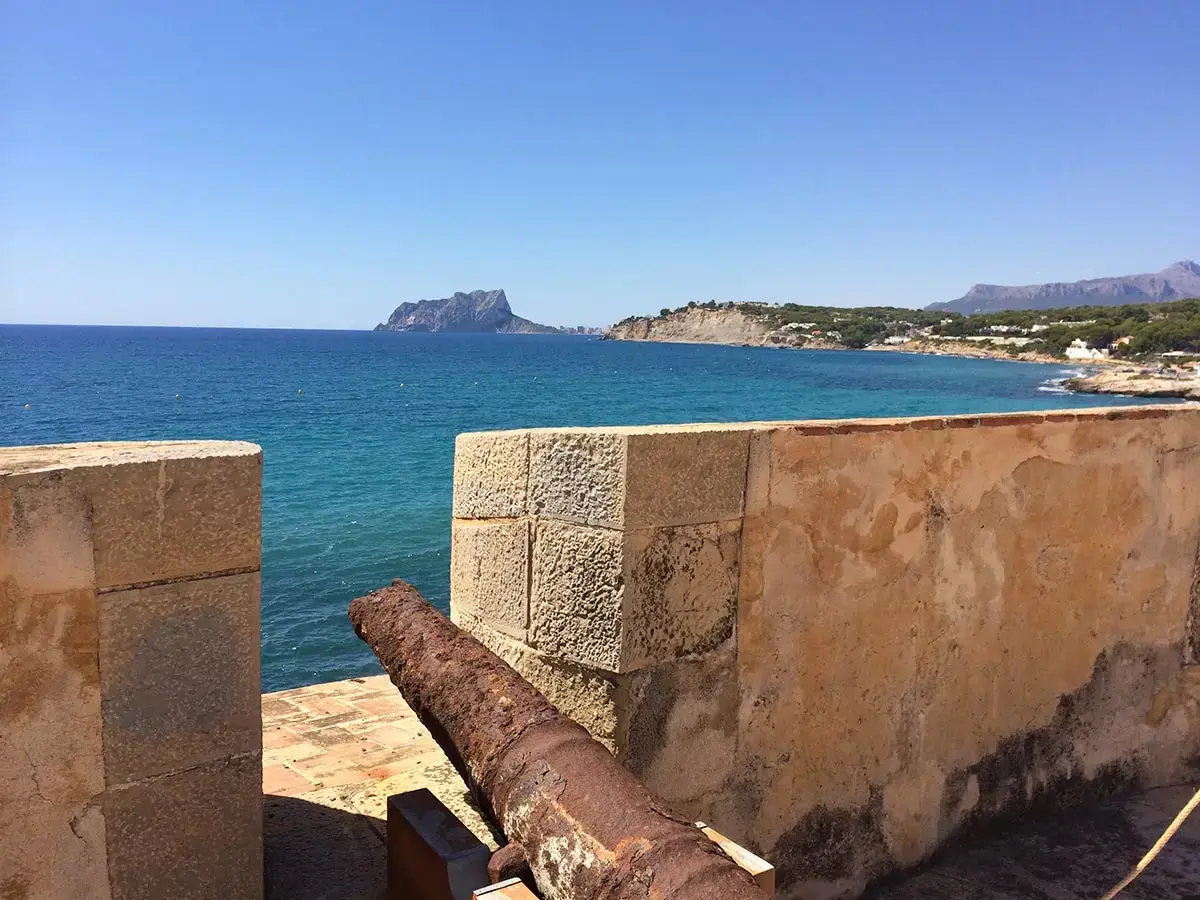
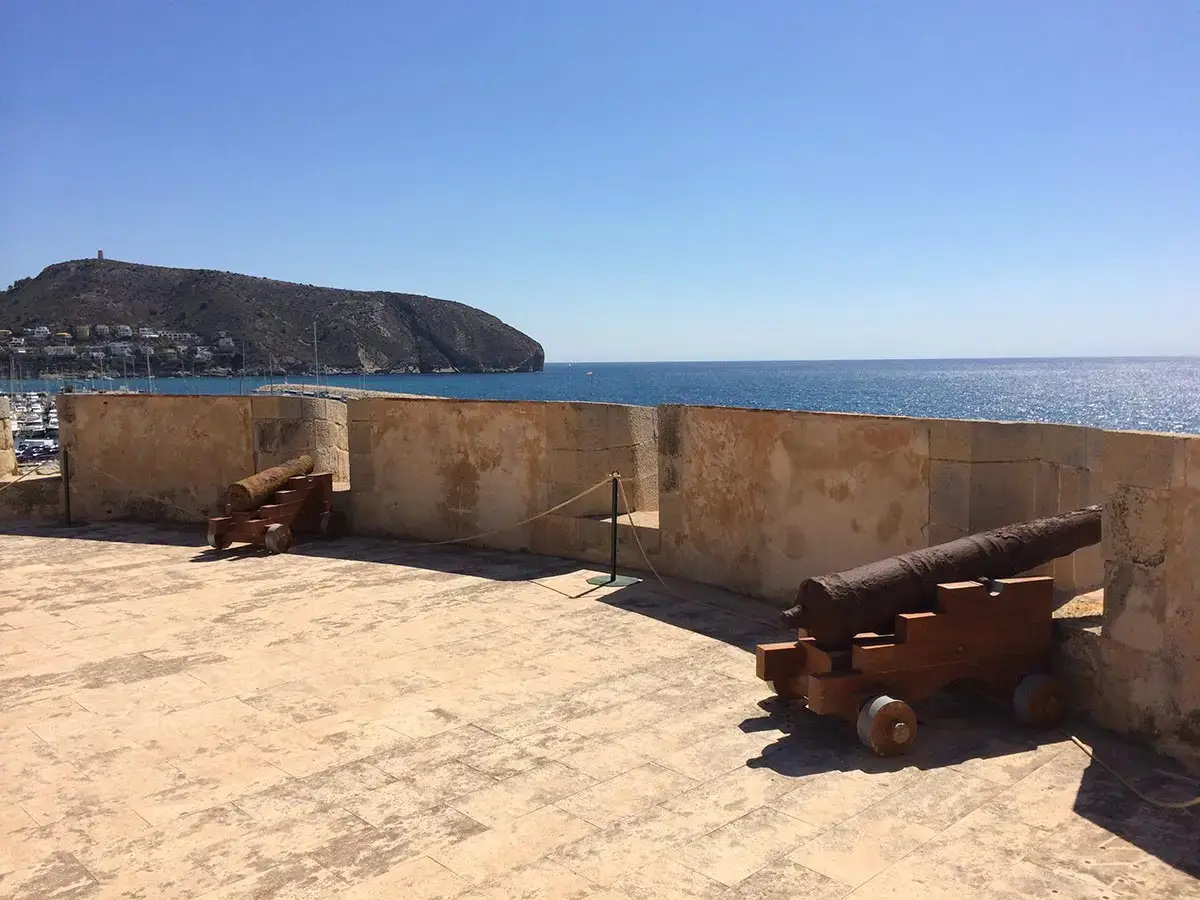
The fortress, located on a rocky rise at l’Ampolla beach, was built in the 18th century. Above the entrance gate is the royal Bourbon coat of arms, dated 1742, which presumably marks the completion of the construction work. The castle served to protect against attacks by Barbary pirates.
The unusual floor plan is known as “pezuña de buey” (ox hoof). It is characterised by a semicircular southern façade and a straight northern façade, through which access to the interior is gained. The building is divided into three wings and extends over two storeys. With a height of around ten metres, the fortress had a defensive wall with seven embrasures from which cannons were positioned.
In the early 1980s, the structure was fully restored.
Parish Church “Mare de Déu dels Desemparats”
The church was probably built between 1875 and 1878 in the town centre of Moraira.
The parish church has a rectangular floor plan and is divided by pillars into three naves, with the main nave almost twice as large as the two side naves. In 1981, the building was extended: the nave was lengthened and supplemented by four arches in the style of traditional “Riuraus”, which were enclosed with glass windows. The new, rectangular bell tower is fitted with two bells.
The interior of the church is simple. It contains an image of the patron saint, the Virgin of the Forsaken, as well as a mosaic that adorns the main altar. Another mosaic depicts the crucified Christ. Both works are by the artist Ros Martí.
Cap d’Or Watchtower
The Torre del Cap d’Or rises at the highest point of the cape, near the cliffs. The tower has a circular floor plan with a perimeter of 26 metres and reaches a height of around 11 metres. It has no ground-level entrance and is solidly built up to halfway. Access was via a rope ladder lowered from above.
To defend Moraira’s harbour, the tower was equipped with two cannons. It is part of a surveillance system that the engineer Antonelli recommended to King Philip II to provide early warning and protect the population from attacks by Barbary pirates.
About 126 metres southeast of the tower is a cistern with a rectangular floor plan, which served to supply water to the stationed soldiers.